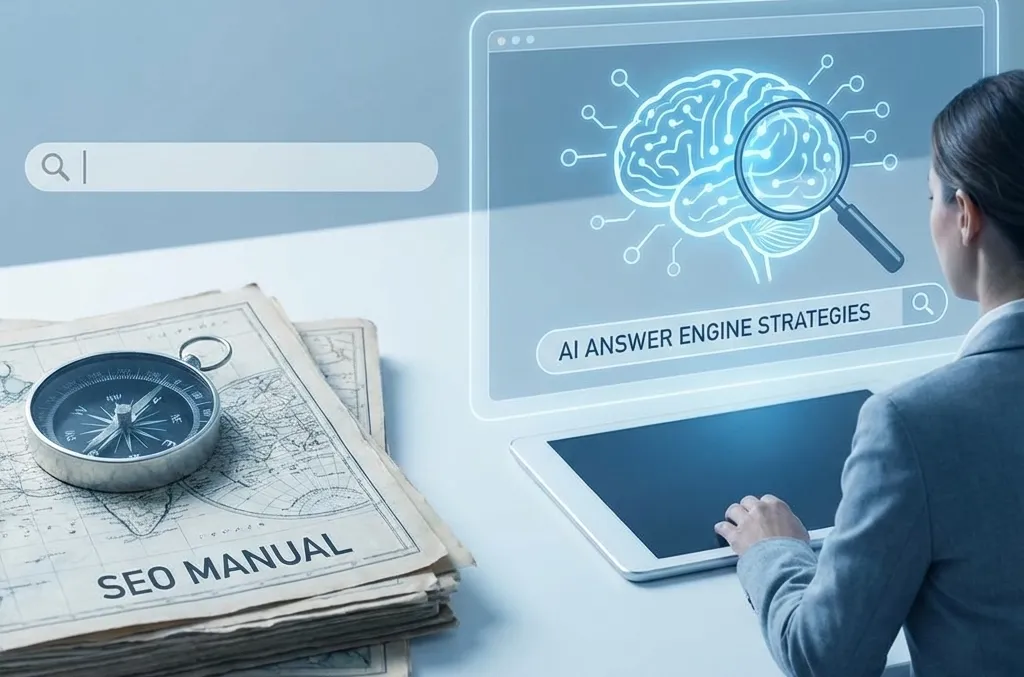
Are Traditional SEO Strategies Dead? How AI Answer Engines Are Changing the Game for Small Businesses
Are Traditional SEO Strategies Dead? How AI Answer Engines Are Changing the Game for Small Businesses
I get this question at least three times a week from concerned business owners: "Sean, is traditional SEO dead? Should I abandon everything we've built?" The short answer? Absolutely not. But the landscape has fundamentally shifted, and the strategies that worked even 18 months ago are struggling to keep pace with AI-powered search engines and answer platforms.
As the founder of Ideation Digital, I've watched this evolution unfold in real-time across our client portfolio. What we're witnessing isn't the death of traditional SEO: it's a dramatic transformation that requires a more sophisticated, multi-layered approach to digital visibility.
The Current State of Traditional SEO: Evolution, Not Extinction
Traditional SEO remains the backbone of sustainable organic visibility, particularly for E-E-A-T (Experience, Expertise, Authoritativeness, Trustworthiness) optimization and technical site architecture. Google's core ranking factors: backlink authority, site speed, mobile optimization, and semantic keyword targeting: haven't disappeared. They've become foundational elements that AI-powered strategies build upon.
However, there's a critical distinction emerging between what still works and what's becoming obsolete. The "middle-ground" content strategy that dominated 2020-2023: comprehensive, well-researched articles balancing educational value with storytelling: is experiencing diminishing returns. This isn't due to poor content quality; it's because AI systems can now generate similar content at unprecedented scale and specificity.

The Technical Reality Behind the Shift
At Ideation Digital, our SEO services now incorporate advanced analytics that reveal a telling pattern: websites relying solely on traditional optimization strategies experienced an average 35-40% traffic decline in early 2025. This wasn't attributed to algorithm penalties or technical issues: it was competitive displacement by AI-optimized content and answer engine preferences.
The technical infrastructure requirements have also evolved dramatically. Modern SEO success demands:
Schema markup implementation for enhanced SERP features and AI comprehension
Core Web Vitals optimization with sub-2.5 second loading times
Natural language processing (NLP) alignment for conversational query matching
Multi-modal content optimization for voice search and visual search compatibility
How AI Answer Engines Are Reshaping Search Behavior
AI answer engines: including ChatGPT, Claude, Perplexity, and Google's AI Overviews: represent a fundamental shift from traditional search-and-click behavior to direct answer consumption. These platforms prioritize structured, authoritative information that can be parsed, referenced, and synthesized into comprehensive responses.
This creates what I call the "fragmentation problem." Content optimized for Google's traditional algorithm performs poorly on Reddit, YouTube, or AI platforms, and vice versa. The days of creating one piece of content that dominates across all discovery channels are ending.
The Answer Engine Optimization Framework
Successful content in the AI era requires specific structural and semantic optimization:
Direct Answer Architecture: Structure content to provide immediate, actionable answers within the first 100 words of each section. AI systems scan for definitive statements rather than elaborate explanations.
Conversational Query Alignment: Optimize for long-tail, voice-search-friendly keywords that mirror natural speech patterns. Instead of "best digital marketing strategies," target "what digital marketing strategies work best for small businesses in 2025."
Source Citation Integration: AI answer engines favor content that includes proper attribution and references to authoritative sources, enhancing credibility and retrieval accuracy.

The Small Business Impact: Opportunities and Challenges
Small businesses face unique advantages and obstacles in this transformed landscape. Unlike enterprise competitors with massive content teams, agile small businesses can pivot quickly to embrace conversational optimization and niche authority building.
The Local SEO Advantage
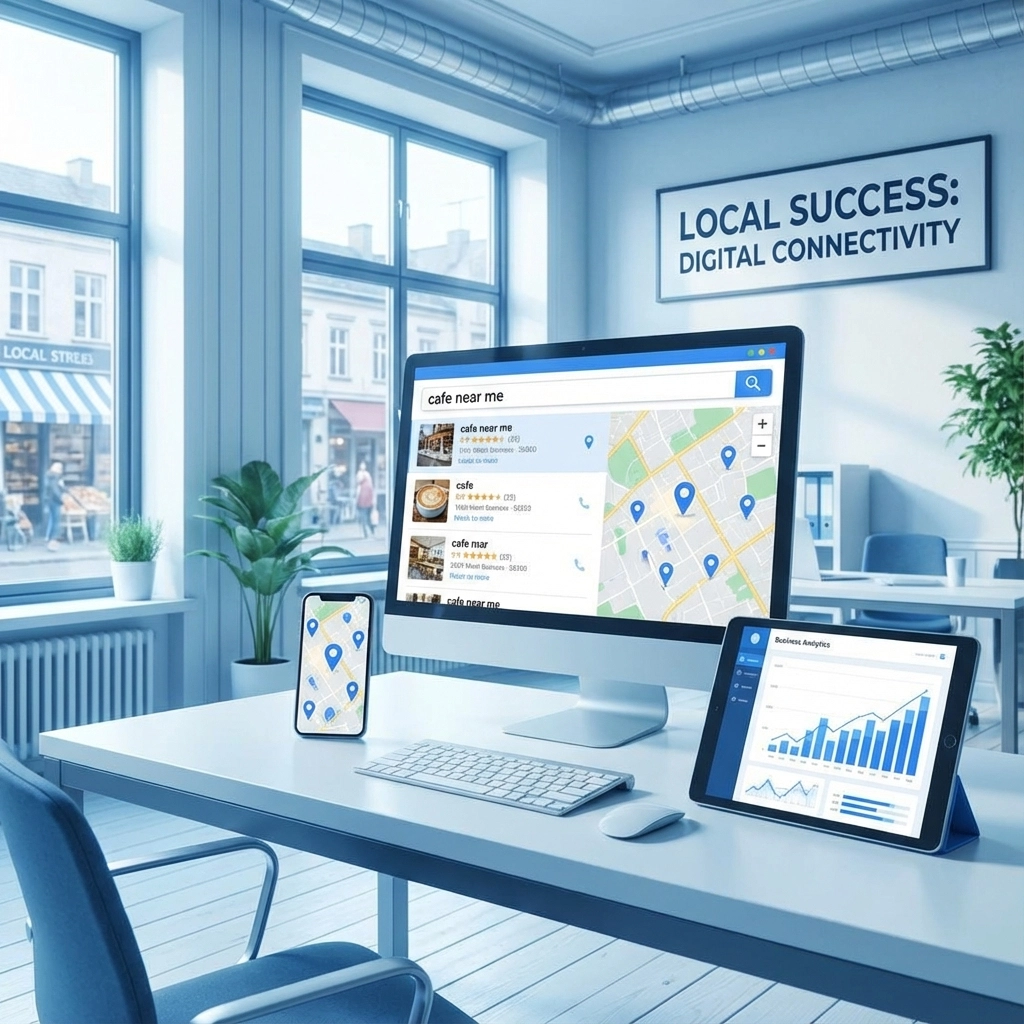
Local search optimization remains heavily weighted toward traditional SEO factors: Google Business Profile optimization, local citation building, and location-specific keyword targeting. AI answer engines haven't disrupted local search patterns significantly, creating sustained opportunities for service-based businesses.
Our local SEO campaigns at Ideation Digital consistently deliver 60-80% increases in local visibility within 90 days because we combine traditional local optimization with AI-powered content personalization.
Resource Allocation Challenges
The balanced approach requires sophisticated technical expertise that many small businesses lack internally. Traditional SEO could be managed with basic WordPress knowledge and consistent content creation. Modern SEO demands understanding of API integrations, structured data implementation, and multi-platform content optimization.
The Balanced Approach: Integrating Traditional and AI-Powered SEO
Rather than choosing between traditional SEO or AI-driven strategies, the winning approach combines both methodologies strategically. This balanced framework allows businesses to leverage AI's precision and scalability while maintaining the creativity and strategic thinking that only human expertise provides.
Foundation-First Strategy
Technical Infrastructure: Implement robust technical SEO fundamentals: site speed optimization, mobile responsiveness, SSL certification, and XML sitemap management. These elements remain non-negotiable regardless of content strategy evolution.
Authority Building: Focus on genuine backlink acquisition through industry relationships, guest content placement, and strategic partnerships. AI can't replicate authentic business relationships and industry credibility.
Keyword Intelligence: Conduct comprehensive keyword research that identifies both traditional search terms and conversational queries. Tools like Ahrefs and SEMrush now include AI-specific keyword suggestions and voice search optimization features.
AI Integration Strategies
Content Amplification: Use AI tools for content ideation, outline development, and initial draft creation, then apply human expertise for strategic positioning, brand voice integration, and industry-specific insights.
Technical Optimization: Leverage AI-powered site audits for comprehensive technical analysis, automated schema markup generation, and Core Web Vitals optimization recommendations.
Performance Analytics: Implement AI-driven analytics platforms that track performance across traditional search engines and answer engines simultaneously, providing holistic visibility metrics.
Actionable Implementation Framework for Small Businesses
Phase 1: Foundation Assessment (Month 1)
Conduct comprehensive technical SEO audits using tools like Screaming Frog, GTMetrix, and Google Search Console. Identify and remediate critical issues affecting site performance and crawlability.
Evaluate existing content performance across multiple platforms: Google Search, Google Business Profile, social media channels, and emerging AI platforms. Document content gaps and optimization opportunities.
Phase 2: Conversational Optimization (Months 2-3)
Restructure high-priority pages using direct answer architecture. Implement FAQ sections, conversational headings, and structured data markup for enhanced AI comprehension.
Develop content optimization strategies that target voice search queries and long-tail conversational keywords specific to your industry and local market.
Phase 3: Multi-Platform Distribution (Months 4-6)
Create platform-specific content variations optimized for different discovery channels. What works for Google Search requires adaptation for LinkedIn, Reddit, and AI answer engines.
Implement tracking and analytics systems that monitor performance across traditional search engines and emerging AI platforms, enabling data-driven optimization decisions.

The Future of SEO: What Small Businesses Must Know
The SEO landscape will continue evolving toward personalization and context-aware search experiences. AI answer engines will become more sophisticated at understanding user intent and delivering hyper-relevant results based on individual preferences and search history.
Small businesses that adapt early to this hybrid approach: maintaining strong technical foundations while embracing AI-powered optimization: will gain significant competitive advantages. The businesses struggling in this transition are those attempting to rely exclusively on either traditional or AI-only strategies.
Preparing for 2026 and Beyond
Voice Search Dominance: By 2026, voice search queries will represent approximately 50% of all search interactions. Businesses must optimize for conversational keywords and natural language patterns now.
Visual Search Integration: AI-powered visual search capabilities will require comprehensive image optimization, alt text enhancement, and visual content strategies that complement traditional text-based SEO.
Predictive Search Behavior: AI systems will increasingly anticipate user needs and deliver proactive recommendations. Businesses must create content that addresses not just current customer questions but anticipated future needs.
Taking Action: Your Next Steps
The question isn't whether traditional SEO is dead: it's whether your business is prepared for the hybrid future that's already here. At Ideation Digital, we've developed comprehensive frameworks that integrate traditional SEO excellence with cutting-edge AI optimization strategies.
If you're ready to future-proof your digital marketing strategy and ensure sustainable organic visibility across all platforms, contact our team for a consultation. We'll assess your current optimization approach and develop a customized roadmap that positions your business for long-term success in the AI-powered search landscape.
The businesses that thrive in 2025 and beyond won't be those that abandon traditional SEO or those that ignore AI innovations. They'll be the ones that master both approaches and create synergistic strategies that maximize visibility, authority, and customer acquisition across every platform where their ideal customers discover solutions.