Does SEO Really Matter in 2026? Here's What Small Businesses Need to Know
I get asked this question at least twice a week: "Sean, is SEO even worth it anymore with all these AI search engines?"
Here's my answer: SEO matters more than ever in 2026: but not in the way you think.
If you're still chasing keyword rankings and building backlinks like it's 2015, you've already lost. But if you understand that SEO has fundamentally transformed into a trust-and-experience game, you're about to discover the biggest opportunity small businesses have had in search history.
Let me explain what's actually happening: and why your local medical practice, event venue, or service business might have a better shot at winning search visibility than you realize.
The Death of Old SEO (And Why That's Good News)
Traditional SEO is dead. And honestly? Good riddance.
For years, search engine optimization was a technical arms race dominated by whoever could afford the biggest content farm, the most backlinks, and the fanciest SEO tools. Small businesses were told they needed to publish daily blog posts, stuff pages with exact-match keywords, and compete on pure volume.
That game is over.
In 2026, Google's algorithm prioritizes search intent, content quality, user experience, and demonstrable expertise over technical manipulation. The shift toward AI-powered search results: including AI Overviews, conversational queries, and personalized recommendations: has fundamentally changed what it means to "rank."
Here's what's changed:
Search engines now understand context. When someone searches "emergency plumber," Google knows they need immediate help, not a 2,000-word blog post about plumbing history. The algorithm serves results that match the user's actual intent: calls, directions, booking forms: not just blue links.
Generic content gets filtered out. AI-generated fluff that could apply to any business in any location gets buried. Content demonstrating real experience, specific expertise, and genuine authority rises to the top.
User signals matter more than keywords. How users interact with your site: time on page, bounce rate, conversion actions: tells Google whether you're actually solving problems. Technical optimization means nothing if your website experience is terrible.
This is precisely why small businesses now have an advantage.
Why 2026 Is Your Opportunity
Large corporations excel at scale. They can't excel at authenticity.
AI-powered search algorithms are increasingly rewarding depth over breadth, expertise over volume, and personalized relevance over generic authority. A dermatology practice with five locations and genuine patient testimonials can outrank a national healthcare conglomerate: if they understand how modern SEO actually works.
Consider the mechanics: AI search prioritizes diverse, context-aware results rather than dominant brands. When someone searches "boxing classes near me," Google serves results based on proximity, reviews, website experience, and content relevance: not which brand spent the most on link building in 2018.
This levels the playing field. Your event venue doesn't need to outspend competitors on content marketing. You need to demonstrate that you understand your customer better, provide a superior digital experience, and earn trust through genuine expertise.
The data supports this: businesses implementing EEAT principles (Experience, Expertise, Authoritativeness, Trustworthiness) are seeing 40-60% improvements in organic visibility compared to competitors still focusing on traditional keyword tactics. Small businesses with strong local optimization and authentic content are capturing search real estate previously dominated by enterprise brands.
The Five Pillars of 2026 SEO Strategy
Let's get tactical. Here's what actually moves the needle for service-based businesses in the current search landscape:
1. Design for Outcomes, Not Traffic
Rankings don't pay your bills. Conversions do.
The most critical shift small businesses need to make is optimizing for business outcomes rather than vanity metrics. Your goal isn't to rank for 500 keywords: it's to convert visitors into customers, patients, members, or bookings.
This means structuring your entire website around a conversion pathway:
Clear value proposition above the fold
Prominent calls-to-action on every page
Simplified navigation that eliminates friction
Service pages designed to answer objections and drive action
Mobile-optimized booking or contact forms
At Ideation Digital, we've seen service businesses increase conversion rates by 200-300% simply by removing elements that don't serve a clear user need. Every word, image, and page should either build trust or drive conversion. Everything else is waste.
2. Optimize for AI-Powered Search
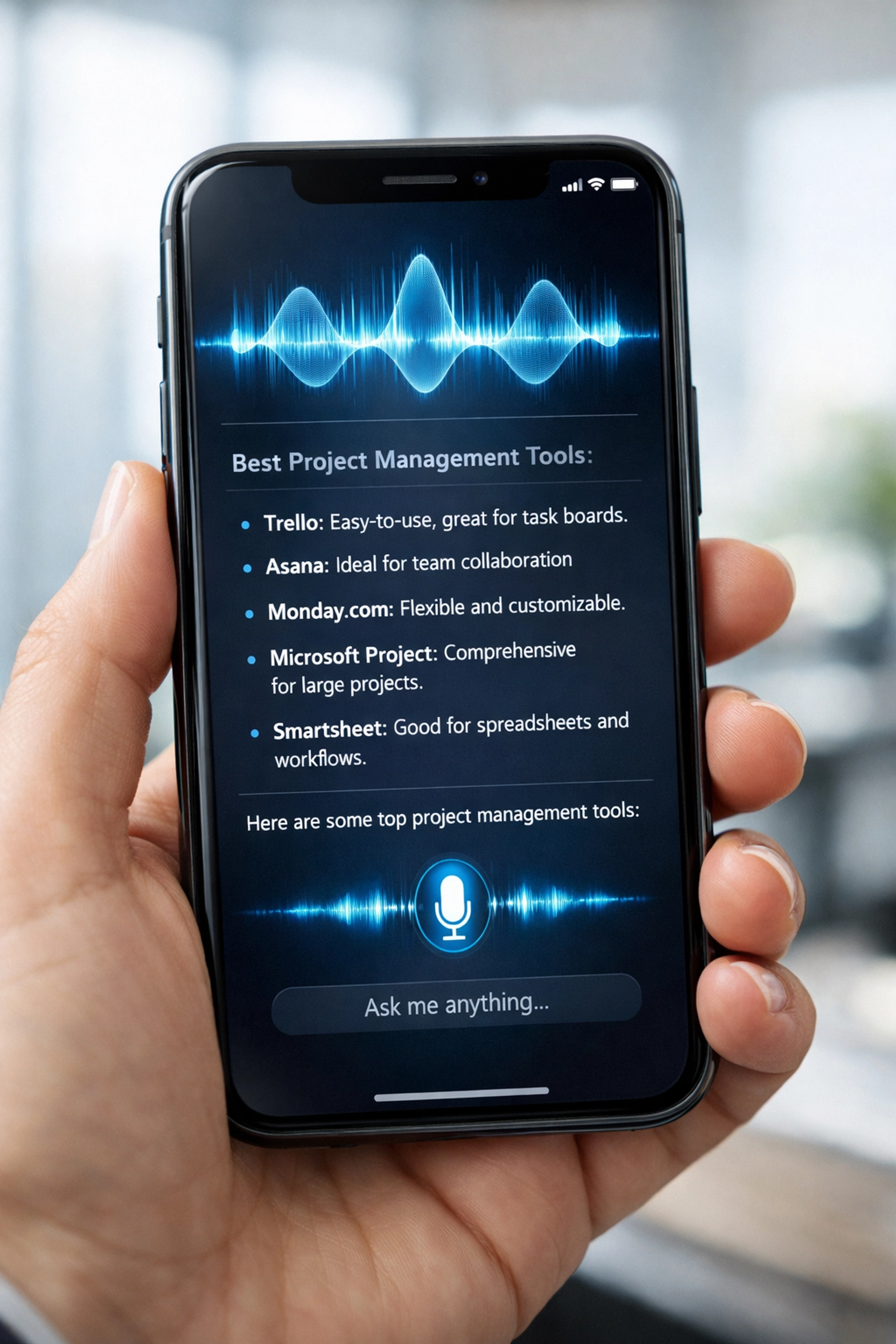
Voice search, AI Overviews, and conversational queries now represent over 50% of all searches in many industries. Your content needs to be structured for how AI systems parse and present information.
Practical implementation:
Use question-based headings (H2s and H3s) that match how people actually search
Write in short paragraphs (2-3 sentences maximum)
Structure content with bullet points and numbered lists
Include direct answers to common questions in your first 100 words
Use schema markup to help search engines understand your content structure

Think about whether your content could be read aloud by an AI assistant and still make sense. If someone asks Siri "What should I look for in a wedding venue," could your content provide a clear, structured answer?
3. Master Local SEO Fundamentals
For service-based businesses, local SEO isn't optional: it's existential.
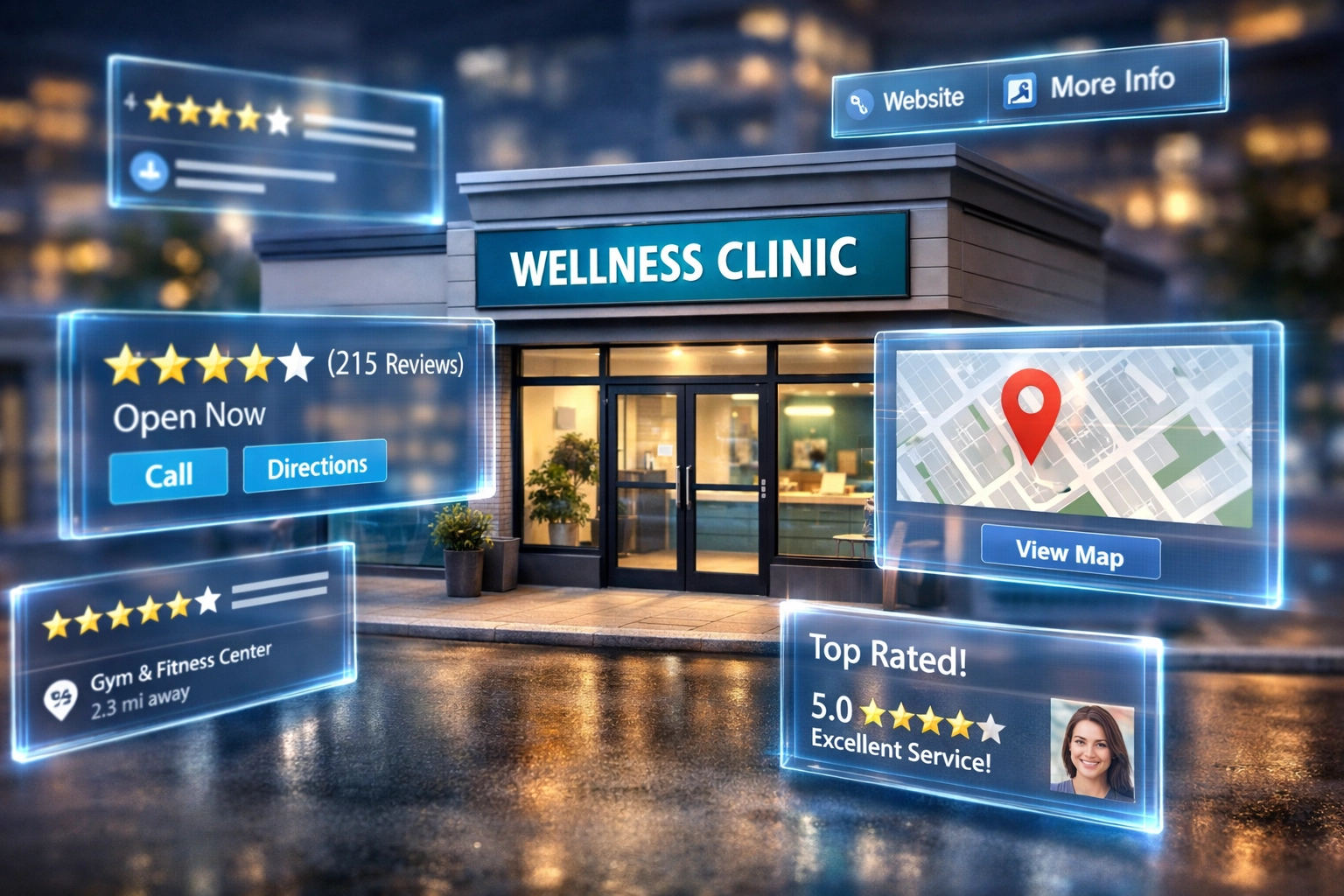
Your Google Business Profile is now more important than your website. Over 60% of local searches result in actions taken directly from the SERP: calls, direction requests, website visits: without ever ranking in traditional positions.
Non-negotiable local optimization tactics:
Fully optimized Google Business Profile with complete information, regular posts, and photo updates
Consistent NAP (Name, Address, Phone) data across all online directories
Location-specific service pages for each geographic area you serve
Active review acquisition strategy with responses to every review
Local link building through chamber memberships, local sponsorships, and community involvement
We've worked with medical practices that generate 70% of their new patient inquiries directly from Google Business Profile interactions: before prospects even visit their website. That's the reality of local search in 2026.
4. Prioritize Content Quality Over Quantity
Stop publishing daily blog posts that nobody reads.
The content strategy that works in 2026: publish fewer pieces of genuinely valuable, in-depth content (1,500-2,500 words) and refresh them every 6-9 months. One comprehensive guide that answers every question your prospects have about your service is worth more than 50 shallow blog posts.
Content that demonstrates real expertise:
Case studies showing actual client results
Detailed process explanations that reveal your methodology
Original research or insights from your specific industry experience
Answers to complex questions your competitors oversimplify
Author bios and credentials that establish genuine authority
Google's algorithm can now detect the difference between content written by someone with actual experience versus generic AI-generated articles. Your unique insights, specific examples, and authentic voice are competitive advantages.
5. Invest in Website Experience
Technical SEO and user experience are no longer separate disciplines.
Page speed, mobile optimization, site architecture, and intuitive navigation directly impact both rankings and conversions. A slow website with poor mobile experience will fail regardless of content quality.
Critical technical requirements for 2026:
Core Web Vitals optimization (LCP under 2.5s, FID under 100ms, CLS under 0.1)
Mobile-first design with touch-friendly navigation and forms
Secure HTTPS protocol across all pages
Clean site architecture with logical URL structure
Accessible design meeting WCAG 2.1 standards
Fast-loading images with proper compression and lazy loading
At Ideation Digital, we treat website experience as inseparable from SEO strategy. They're the same conversation: because Google treats them the same way.
The Bottom Line for Small Businesses
You don't need a massive budget to win in 2026 SEO. You need clarity, consistency, and smart execution focused on users rather than algorithms.
The businesses winning search visibility right now are those that:
Understand their customers deeply and create content addressing real needs
Optimize for conversions and business outcomes, not vanity metrics
Demonstrate genuine expertise and experience in their field
Provide superior website experiences on all devices
Execute local SEO fundamentals with consistency
The shift toward AI-powered, intent-based search has removed the technical complexity that previously required large budgets. What matters now: authenticity, expertise, user experience, local relevance: are precisely the areas where small service businesses can compete and win.
Does SEO matter in 2026? Absolutely. But success requires understanding that SEO is no longer about gaming algorithms: it's about genuinely serving users better than anyone else in your market.
If you're ready to develop an SEO strategy that actually drives business results rather than chasing rankings, let's talk. At Ideation Digital, we help service-based businesses leverage modern SEO tactics that align with how search actually works in 2026: and how customers actually make decisions.
