Why Zero-Click Searches Will Change the Way You Measure SEO Success
Here's a scenario that might sound familiar: Your SEO rankings are climbing. You're showing up on page one. Your agency sends you a report with green arrows pointing up. But when you check your actual leads and phone calls? Crickets.
What gives?
Welcome to the era of zero-click searches: and if you're still measuring SEO success the old way, you're looking at the wrong scoreboard entirely.
What Exactly Is a Zero-Click Search?
A zero-click search happens when someone types a query into Google and gets their answer directly on the search results page: without ever clicking through to a website. Think about the last time you Googled "weather today" or "how many ounces in a cup." You got your answer instantly, right there in the results.
Google has engineered this experience through several SERP features:
Featured snippets (those answer boxes at the top)
AI Overviews (Google's new AI-generated summaries)
Knowledge panels (the info boxes on the right side)
People Also Ask boxes
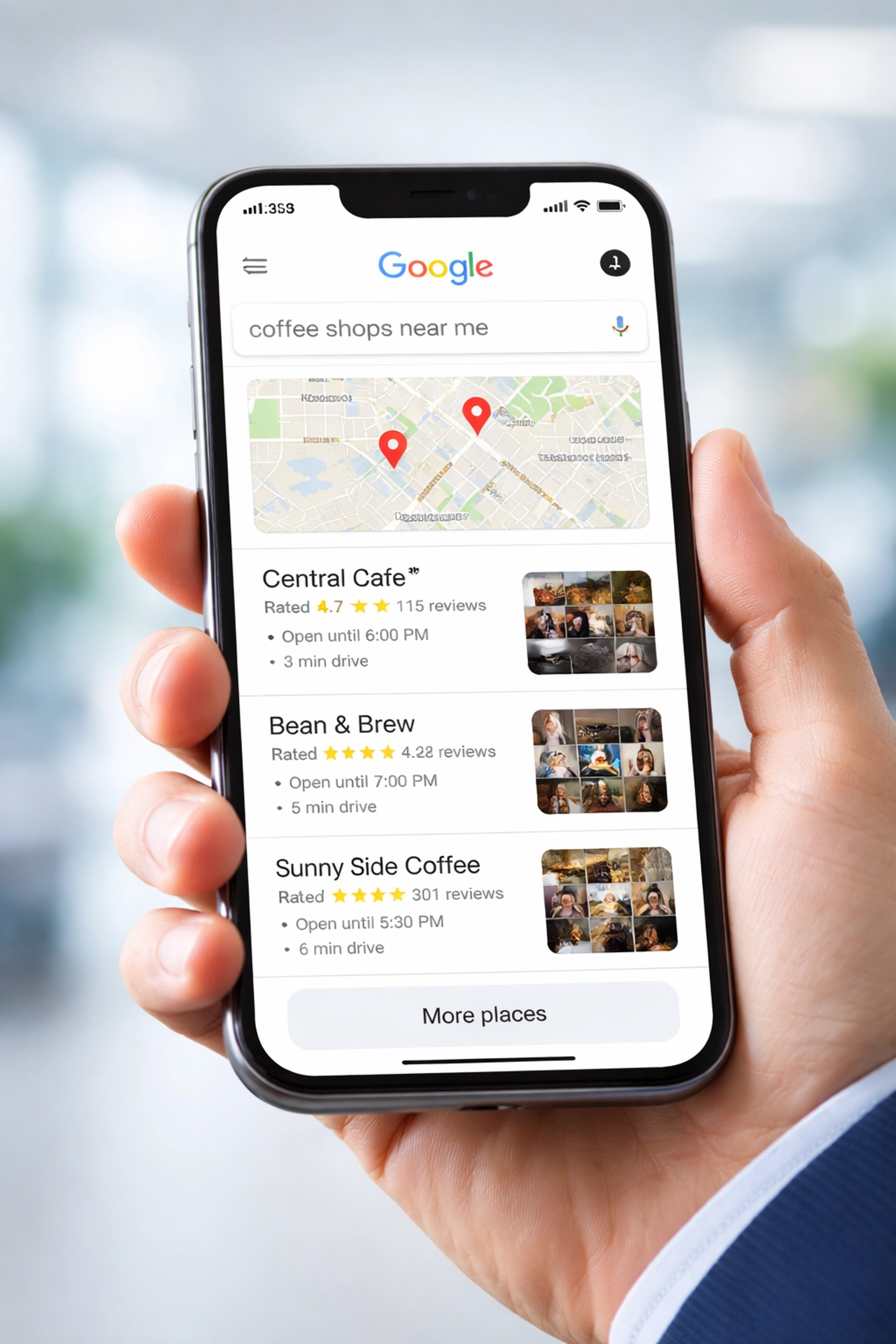
Local map packs (the three-pack showing nearby businesses)
For service-based businesses: medical practices, wedding venues, fitness studios: that local map pack is where the real action happens. Someone searches "dentist near me," sees your name, address, phone number, reviews, and hours right there in the results. They call you directly. They never visit your website.
That's a zero-click search. And it's not a bug. It's the new normal.
The Numbers Don't Lie (But Your Analytics Might)
Let's talk data, because this shift isn't speculation: it's already happened.
In 2024, 58.5% of Google searches in the US ended without a single click to any website. On mobile devices, that number climbs to nearly 60%. And here's the kicker: this trend has been accelerating since 2020, when roughly 65% of searches were already zero-click.
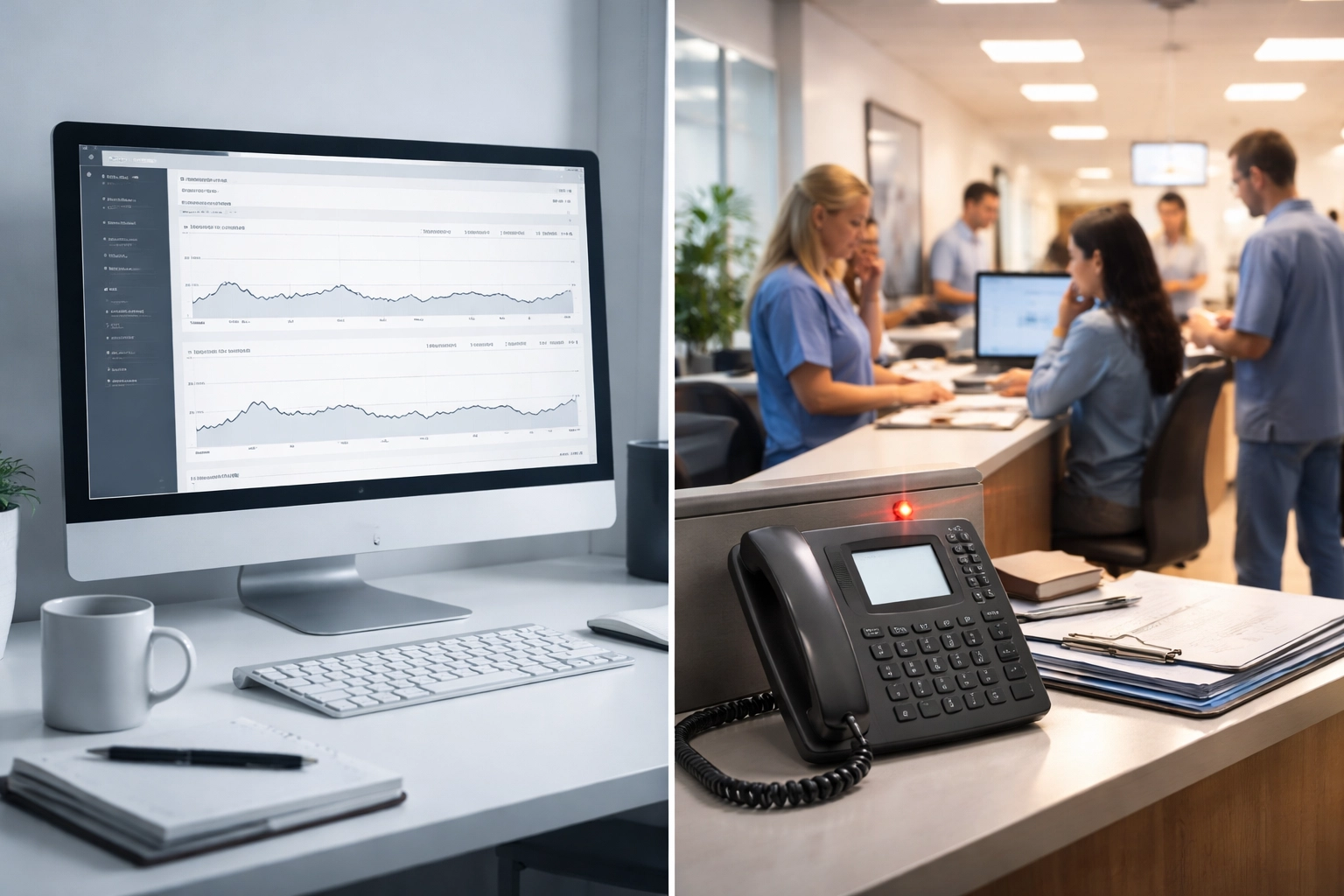
What does this mean for you? It means you can rank in position one and still see minimal traffic to your website. Your Google Analytics dashboard might show flat or declining organic visits while your actual visibility: and your phone: could be busier than ever.
Traditional SEO metrics like click-through rate and organic sessions are no longer telling the whole story. They're measuring one channel of a multi-lane highway.
Why This Matters More for Service Businesses
If you're running an e-commerce store, you need clicks. People have to visit your site to buy your product. But if you're a service-based business: a med spa, an event venue, a gym, a law firm: your conversion often happens offline.
Someone searches for "personal injury lawyer Austin." They see your firm in the local pack with a 4.9-star rating and 200+ reviews. They tap the call button. Case consultation booked.
Did they visit your website? No. Did your SEO work? Absolutely.
This is the fundamental disconnect that frustrates so many business owners. They're paying for SEO, watching website traffic stagnate, and assuming nothing is working: when in reality, they're winning in a space their analytics can't fully capture.
The Old Playbook Is Officially Broken
For years, the SEO success formula was straightforward:
Rank higher
Get more clicks
Convert those visitors into leads
Simple. Measurable. And increasingly incomplete.
The problem isn't that rankings don't matter anymore: they absolutely do. The problem is that a high ranking doesn't automatically translate into website visits the way it used to. Google has gotten incredibly good at answering questions and facilitating actions directly from the search results page.
When someone searches "best gym near me with childcare," Google shows them a map pack with business hours, photos, reviews, and a click-to-call button. The user gets everything they need to make a decision without ever landing on your homepage.
If you're still measuring SEO success purely by organic traffic and on-site conversions, you're measuring the echo instead of the sound.
How to Actually Measure SEO Success in 2026
So what should you be tracking? Here's the framework I use with clients at Ideation Digital:
1. Search Visibility Over Click-Through Rate
Track how often your business appears in search results: including map packs, featured snippets, and AI Overviews: not just how often people click through. Tools like Google Search Console's "impressions" metric give you a clearer picture of actual visibility.
2. Google Business Profile Insights
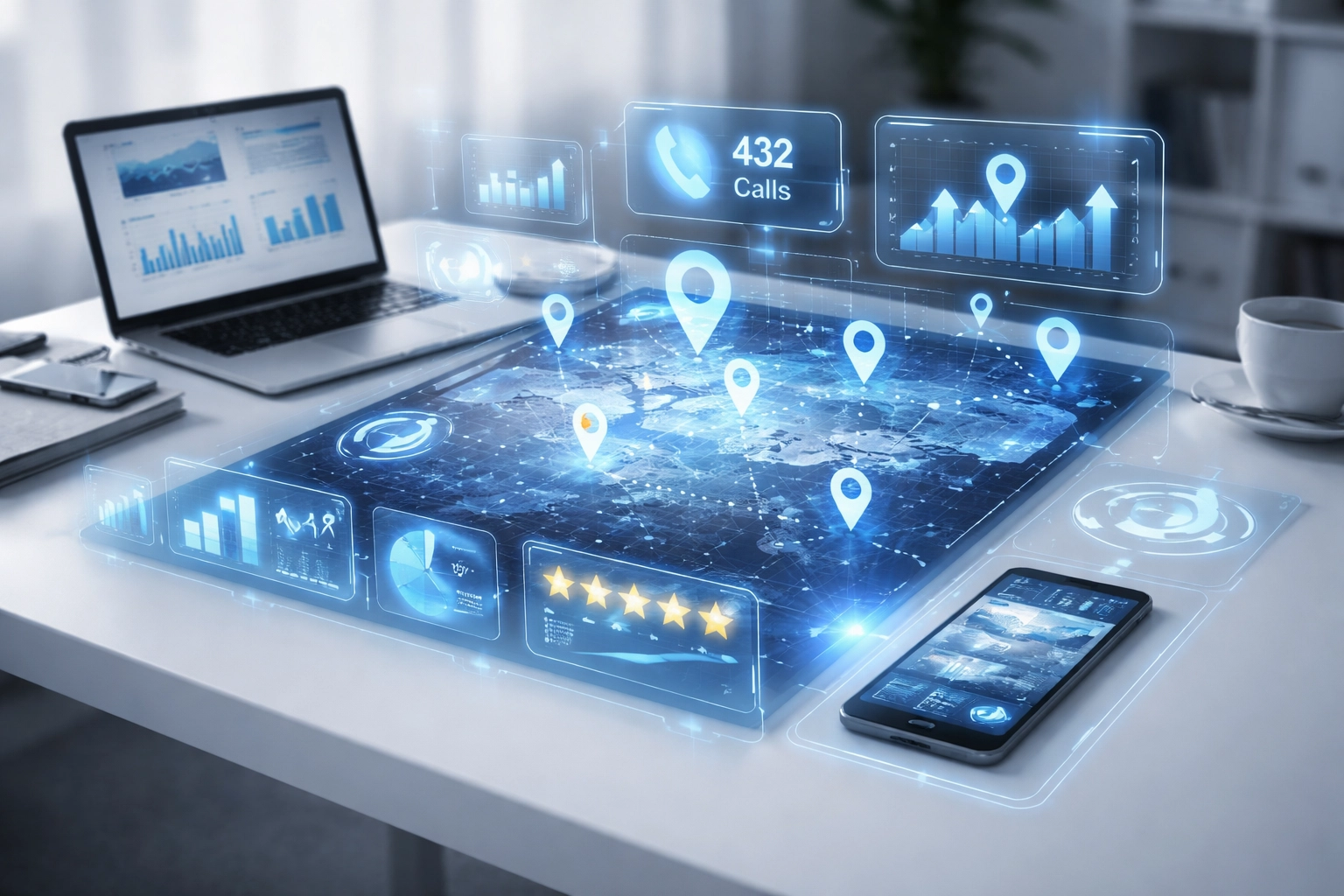
Your GBP dashboard shows you exactly how many people:
Viewed your profile
Requested directions
Called you directly
Clicked to your website
These are the actions that matter for local service businesses. And most of them happen without a website visit.
3. Phone Call and Direction Request Volume
If you're a service business, track your inbound calls and direction requests alongside your web leads. Use call tracking software to attribute calls to specific campaigns or search queries.
4. Brand Search Volume
Are more people searching for your business by name? An increase in branded searches indicates growing awareness: often driven by zero-click visibility that planted your name in someone's mind even if they didn't click through initially.
5. Conversion Rate of Qualified Traffic
The traffic you do get from organic search should be more qualified than ever. If zero-click searches are handling the basic informational queries, the people who actually visit your site are further down the funnel. Your conversion rate on that traffic should improve.
Visibility Is the New Click
Here's the mindset shift that changes everything: Appearing in zero-click results is still SEO working.
When your business shows up in the local map pack with a strong rating and relevant information, you're building trust. You're establishing credibility. You're planting a flag in someone's consideration set: even if they don't click today.
Think about it from the user's perspective. They search for "wedding venue with outdoor space Dallas." They see three options in the map pack. Your venue has beautiful photos, a 4.8-star rating, and recent reviews mentioning the gorgeous garden ceremony space. They might not click through to your site right now. But when they're ready to book tours? You're on the list.
That's brand presence. That's search positioning. That's value: even without the click.
What This Means for Your Marketing Strategy
If you're working with an agency or managing SEO in-house, it's time to evolve the conversation beyond traffic reports. Here's what I recommend:
Audit your Google Business Profile monthly. Treat it like a second homepage. Update photos, respond to reviews, post updates, and ensure your services are accurately listed.
Optimize for featured snippets and AI Overviews. Structure your content to answer specific questions concisely. Google rewards clarity.
Track offline conversions. Implement call tracking. Ask new patients or clients how they found you. Connect the dots between search visibility and actual business outcomes.
Focus on high-intent keywords. The informational queries will increasingly be answered by AI. Target the transactional, decision-stage searches where clicks still happen: and matter.
Measure what matters to your business. Leads. Calls. Booked appointments. Revenue. Not just rankings and traffic.
At Ideation Digital, we've built our entire approach around this philosophy. Vanity metrics look great in reports. But they don't pay your rent. We focus on the outcomes that actually grow your business: whether those come from website visits or zero-click visibility.
The Bottom Line
Zero-click searches aren't killing SEO. They're redefining what SEO success looks like.
For service-based businesses, this shift is actually good news. It means Google is doing more of the heavy lifting: showing potential customers your reviews, your location, your contact information: right when they're ready to make a decision.
Your job is to show up in those moments. To have a Google Business Profile that converts. To earn the reviews and visibility that make someone choose you over the competition: even if they never visit your website.
The businesses that adapt to this reality will thrive. The ones still obsessing over click-through rates? They'll keep wondering why their "great SEO results" aren't translating into growth.
Which side do you want to be on?
If you're ready to rethink how you measure and approach SEO for your service business, let's talk. No contracts, no fluff: just a strategy focused on what actually moves the needle.
