AI Marketing Glossary: Master the Key Terms
In today’s fast-moving digital landscape, marketers and business leaders need a clear grasp of the AI terms shaping strategy and execution. This guide breaks down the essential AI marketing concepts, explains how they work, and shows where they deliver value. You’ll find practical definitions of machine learning, predictive analytics, programmatic advertising, marketing automation, and actionable ideas for applying these technologies. As organizations adopt more AI, being fluent in this vocabulary helps teams communicate, plan, and implement more effectively. For expert insights and consulting, consider resources like Sean Hyde, AI Marketing Consultant.
The strategic use of AI in marketing is attracting growing attention from both researchers and practitioners because of its potential to drive digital transformation and boost operational efficiency.
AI in Marketing Strategy — Digital Transformation & Efficiency
Research increasingly examines how AI is reshaping marketing strategy, improving operational efficiency and the quality of marketing decisions. The literature shows AI helps companies build more targeted, responsive strategies, but adoption brings challenges — notably the need for technical skills and careful data-privacy management. The review concludes that successful AI adoption requires balancing technological innovation with effective risk governance.
IMPLEMENTATION OF AI TECHNOLOGY IN DIGITAL TRANSFORMATION OF MARKETING STRATEGY: A LITERATURE REVIEW, N Triolita, 2025
What is AI Marketing? Key Terms and Core Concepts Explained
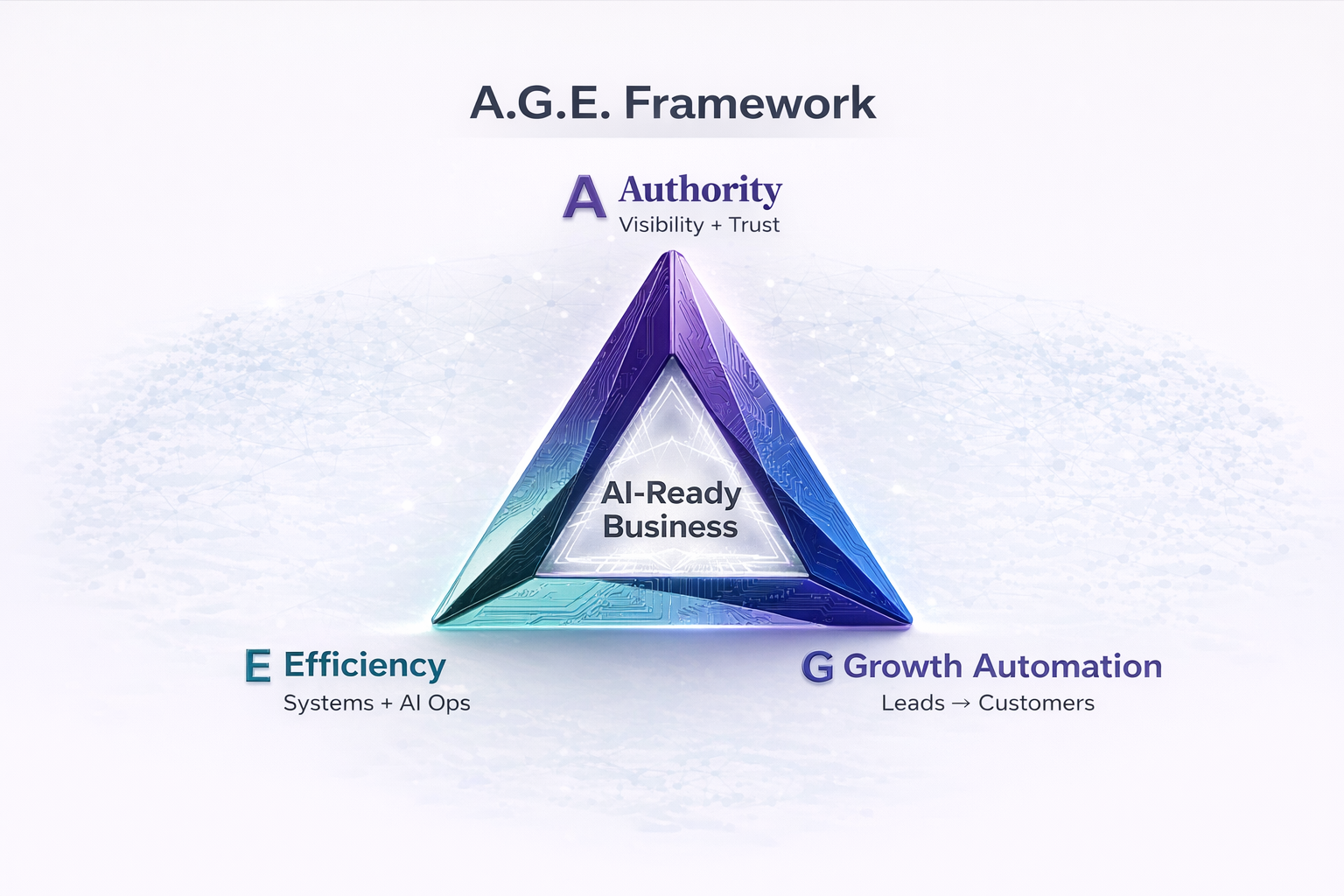
AI marketing is the use of artificial intelligence to make marketing smarter and more efficient. By combining data analytics, machine learning, and automation, teams can deliver more relevant experiences, streamline processes, and scale personalized campaigns. An AI-first approach supports autonomous workflows and data-driven decisions, helping marketing programs adapt as customer behavior evolves. To understand how AI frameworks can be applied effectively, explore the AGE Framework developed by Sean Hyde.
How does AI improve marketing effectiveness and automation?
AI removes repetitive work so marketers can focus on strategy. Intelligence-driven tools analyze large datasets to surface trends and customer preferences, enabling deeper personalization and better-targeted messages. At the same time, automation makes campaigns scalable — you can reach broader audiences without losing the relevance that drives engagement.
What are the essential AI marketing terms every marketer should know?
Marketers should be comfortable with a few core AI terms:
Machine Learning: A branch of AI where systems learn from data to improve performance over time without explicit programming.
Natural Language Processing (NLP): Technology that helps machines understand and generate human language, improving chat, search, and content interactions.
Predictive Analytics: Methods that use historical data to forecast likely outcomes and guide marketing decisions.
These basics form the foundation for applying AI to campaign optimization, personalization, and analytics.
Machine Learning and Marketing Analytics Definitions
Machine learning is central to AI marketing: it finds patterns in data and turns them into predictions or recommendations. In marketing analytics, machine learning reveals customer signals that would be hard to spot manually, helping teams refine targeting, messaging, and offers.
How does machine learning enable predictive marketing analytics?
Machine learning processes large, complex datasets to surface trends and forecast behavior. Those predictions power smarter automation and let marketers anticipate needs — personalizing outreach, improving conversion rates, and boosting ROI.
The expanding volume of customer data makes machine learning increasingly necessary for modern predictive analytics.
Machine Learning for Predictive Marketing Analytics
Traditional marketing analysis struggles to keep up as customer data grows exponentially. That gap drives the need for machine learning in predictive analytics for big data–driven marketing.
Advanced Machine Learning Algorithms: A Big Data Approach to Predictive Analytics in Business Marketing, R Hariharan, 2025
What are common machine learning marketing definitions and examples?
Examples of machine learning in marketing include:
Lead Scoring Algorithms: Models that rank prospects by their likelihood to convert, so teams focus outreach where it matters most.
Deal Probability Predictions: Forecasts that estimate the chance a sales opportunity will close, based on historical signals and interactions.
Workflow Automation: ML-driven processes that automate tasks and trigger actions, reducing manual effort and speeding execution.
These use cases show how machine learning sharpens decision-making and improves efficiency across marketing and sales.
AI Advertising Terminology and Digital Marketing AI Glossary
AI advertising covers the tools and techniques that use machine intelligence to optimize ad performance. Knowing the common terms helps marketers design smarter, more targeted campaigns.
What are the key AI advertising terms used in programmatic and automated campaigns?
Key terms include:
Programmatic Advertising: Automated buying and selling of ad inventory that uses algorithms to target audiences and allocate spend.
Dynamic Creative Optimization (DCO): Technology that assembles and customizes ad creative in real time based on user data and context.
Attribution Modeling: Methods that assign credit to marketing channels and touchpoints to understand what drives conversions.
These concepts highlight how AI brings precision and speed to ad targeting, creative personalization, and media measurement.
How do digital marketing AI tools integrate with advertising strategies?
AI tools plug into advertising workflows to automate tasks and surface insights that improve placement, messaging, and timing. Analytics-driven recommendations help optimize bids, creative, and audience selection, while automation lets teams scale personalization. Together, these capabilities support more efficient budget allocation and higher returns on ad spend.
This integration often includes real-time budget adjustments to keep campaigns cost-effective and performance-driven.
AI for Marketing: Optimizing Campaigns & Sales
AI can adjust budget allocation in real time to optimize ad spend, helping campaigns run more efficiently and maximizing return on investment. Overall, artificial intelligence has clear potential to transform modern marketing and drive meaningful sales growth.
Artificial intelligence in marketing: how to use AI to optimize advertising campaigns and increase sales, 2023
Marketing Automation Glossary: Terms and Use Cases
Marketing automation uses software to handle repetitive tasks so teams can run consistent, timely campaigns. Understanding the terms around automation helps you design workflows that scale without adding headcount.
Which marketing automation terms relate to AI-driven workflows?
Common automation terms include:
Lead Nurturing: Building relationships with prospects through targeted content and sequenced communications.
Customer Relationship Management (CRM): Platforms that store and manage customer interactions, often integrated with automation tools.
Email Marketing Automation: Sending behavior-triggered, segmented email campaigns that respond to user actions and preferences.
These components work together to improve efficiency and keep communications relevant at scale.
How do AI marketing automation tools enhance customer engagement?
AI-driven automation personalizes experiences by analyzing user behavior and delivering timely, relevant recommendations. It powers continuous workflows that react to customer signals, speeding personalization and enabling data-backed decisions that raise satisfaction and conversion rates.
Generative Engine Optimization (GEO) and Answer Engine Optimization (AEO): New Frontiers in AI Marketing
Generative Engine Optimization (GEO) refers to the practice of optimizing content and digital assets specifically for generative AI engines, which create responses, summaries, or creative outputs based on user queries. GEO focuses on structuring data and content so that generative AI models can access and use it effectively, improving visibility and relevance in AI-driven content generation.
Answer Engine Optimization (AEO) is the process of optimizing content to be favored by answer engines—AI-powered systems that provide direct answers to user questions rather than traditional search results. AEO involves crafting clear, concise, and authoritative content that aligns with how answer engines interpret queries and rank responses.
Answer Engines are AI systems designed to understand natural language questions and deliver precise answers, often pulling from multiple sources and synthesizing information. Examples include virtual assistants, chatbots, and AI-powered search features.
How AI Enhances GEO, AEO, and Content Marketing
AI improves GEO and AEO by enabling marketers to analyze how generative and answer engines process information, helping tailor content for better AI comprehension and ranking. AI tools can generate optimized content snippets, FAQs, and structured data that increase the chances of being selected by answer engines.
Content Marketing involves creating and distributing valuable, relevant content to attract and engage a target audience. AI supports content marketing by automating content creation, personalizing messaging, and analyzing performance to refine strategies.
Brand Mentions refer to instances where a brand is referenced online, whether in articles, social media, or reviews. AI-powered monitoring tools track brand mentions in real time, providing insights into sentiment, reach, and engagement, which help marketers manage reputation and identify opportunities.
Using AI to Improve Processes and Results in GEO, AEO, Content Marketing, and Brand Mentions
AI streamlines the optimization process by analyzing large datasets to identify trending topics, relevant keywords, and user intent, which inform GEO and AEO strategies. It automates content generation and testing, enabling faster iteration and improved targeting.
For content marketing, AI enhances personalization by segmenting audiences and tailoring content delivery, increasing engagement and conversion rates. AI-driven analytics measure the impact of brand mentions, helping marketers respond promptly to customer feedback and adjust campaigns accordingly.
How Digital Marketers Use AI to Improve Marketing Processes and Results for Their Clients
Digital marketers leverage AI to enhance every stage of the marketing funnel, from audience research to campaign execution and analysis. AI tools enable marketers to:
Automate Routine Tasks: AI handles repetitive activities like data entry, email scheduling, and social media posting, freeing marketers to focus on strategy and creativity.
Enhance Targeting and Personalization: AI analyzes customer data to create detailed segments and deliver personalized messages that resonate with individual preferences.
Optimize Campaign Performance: AI-driven analytics provide real-time insights and recommendations for adjusting bids, creatives, and channels to maximize ROI.
Generate Content at Scale: AI-powered content creation tools help produce blog posts, social media updates, and ad copy quickly, maintaining quality and relevance.
Monitor Brand Reputation: AI tools track brand mentions and sentiment across platforms, enabling proactive reputation management and customer engagement.
Predict Customer Behavior: Predictive analytics powered by AI forecast trends and customer actions, allowing marketers to anticipate needs and tailor offers effectively.
By integrating AI into their workflows, digital marketers deliver more efficient, data-driven, and impactful campaigns that drive growth for their clients. For examples of successful AI marketing projects, see Sean Hyde’s case studies.
How to Implement AI Marketing: Consulting Insights and Case Studies
Deploying AI in marketing benefits from a strategic, step-by-step approach tailored to the business. Consultants can help map priorities, select tools, and build the capabilities required for successful adoption.
What are practical AI implementation strategies for marketing teams?
Practical strategies include:
Developing Systems that Understand Business: Design AI solutions that reflect your goals, customer journeys, and operational constraints.
Creating Autonomous Workflows: Build repeatable processes that allow AI to operate with minimal manual oversight.
Focusing on Measurable Leverage: Choose initiatives with clear KPIs so you can track impact and scale what works.
These steps form a roadmap for teams that want to deliver measurable value from AI investments. For expert guidance, consider consulting with an AI marketing consultant.
How do consulting services guide AI marketing adoption and growth?
Consultants provide roadmaps and hands-on support — from tool selection and pilot design to change management and measurement frameworks. Their experience helps organizations avoid common pitfalls, accelerate adoption, and extract more value from AI projects. To learn more or get in touch, visit the contact page of Sean Hyde.
AI Consulting: Roles, Services, and Strategic Support
As AI becomes integral to marketing success, specialized consulting roles have emerged to guide organizations through the complexities of AI adoption and optimization.
What is an AI Consultant?
An AI consultant is a professional who advises businesses on how to leverage artificial intelligence technologies effectively. They assess organizational needs, identify opportunities for AI integration, and recommend solutions that align with business goals. AI consultants bridge the gap between technical capabilities and strategic marketing objectives.
What are AI Consulting Services?
AI consulting services encompass a range of offerings designed to help companies implement and scale AI-driven marketing initiatives. These services include technology assessment, data strategy development, AI tool selection, pilot project management, training, and ongoing support. The goal is to ensure AI investments deliver measurable business value.
What is AI Strategy Consulting?
AI strategy consulting focuses on defining a clear roadmap for AI adoption within marketing functions. Consultants work with leadership to align AI initiatives with overall business strategy, prioritize use cases, and establish governance frameworks. This strategic approach helps organizations maximize ROI and manage risks associated with AI deployment.
Who is an AI Implementation Consultant?
An AI implementation consultant specializes in the practical aspects of deploying AI solutions. They manage the technical integration of AI tools, coordinate cross-functional teams, oversee data preparation, and ensure that AI systems operate smoothly within existing workflows. Their role is critical to translating AI strategies into operational success.
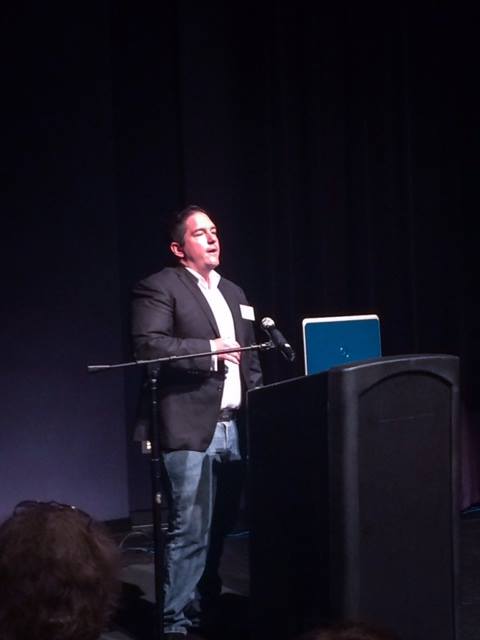
Together, these consulting roles and services provide comprehensive support for organizations aiming to harness AI’s full potential in marketing. For more information on speaking engagements and events related to AI marketing, visit Sean Hyde’s speaking events.
Frequently Asked Questions
What are the benefits of using AI in marketing?
AI improves personalization, boosts efficiency, and enables data-driven decisions. It analyzes customer signals to tailor messages, automates repetitive tasks so teams can focus on strategy, and helps optimize resource allocation — all of which can lift ROI and competitiveness.
How can small businesses leverage AI marketing tools?
Small teams can use affordable AI-driven tools for email automation, social scheduling, basic segmentation, and ad optimization. These platforms simplify data analysis and help you target the right channels without heavy technical overhead, making it easier to compete with larger players.
What challenges do businesses face when implementing AI in marketing?
Common challenges include data privacy and compliance, a shortage of in-house technical skills, and integrating new tools with legacy systems. Address these issues by prioritizing governance, investing in training, and choosing solutions that align with your existing stack and business goals.
How does AI impact customer data privacy?
AI depends on data, so organizations must follow regulations like GDPR and CCPA and be transparent about data use. Strong data-security practices, clear privacy policies, and careful consent management help build customer trust and reduce legal risk.
What role does AI play in content creation for marketing?
AI helps generate and optimize written, visual, and audio content by analyzing audience preferences and performance signals. It can speed ideation, tailor content for segments, and improve SEO — freeing creators to focus on strategy and quality control.
How can businesses measure the effectiveness of AI marketing strategies?
Track KPIs such as conversion rates, engagement metrics, customer lifetime value, and return on ad spend. Use analytics platforms and A/B testing to compare approaches, and review results regularly to refine models and tactics.
What are the most common questions about AI marketing definitions?
Common questions include:
What is the difference between AI and machine learning?: AI is the broader field; machine learning is a subset focused on systems that learn from data.
How can AI improve customer experiences?: By powering personalized interactions, recommendations, and timely communications based on user data.
What are the risks associated with AI marketing?: Key risks include data-privacy issues and biased models if training data or validation practices are inadequate.
These questions reflect growing interest in AI marketing and the need for clear, practical guidance.
Where can marketers find updated AI marketing glossary and trends?
To stay current, marketers can turn to:
Industry Reports: Research from analyst firms that track trends and forecast developments.
Online Resources: Specialist blogs, trade sites, and vendor guides that publish case studies and how-to advice.
Professional Networks: Communities, forums, and conferences where practitioners share experience and best practices.
These sources help marketing teams keep strategies up to date as the AI landscape evolves.
To further explore AI practicalities and tools, consider resources like Grow with AEO, which offers guidance on applying AI to grow your business. For additional expert perspectives and consulting, visit Sean Hyde’s website.