AI Consulting & Implementation Services for Business Leaders
In the rapidly evolving landscape of technology, artificial intelligence (AI) has emerged as a transformative force for businesses. According to a 2023 report by McKinsey, 50% of companies have adopted AI in at least one business function, highlighting its growing importance. Furthermore, a PwC study estimates that AI could contribute up to $15.7 trillion to the global economy by 2030, underscoring its vast potential. AI consulting and implementation services provide business leaders with the expertise needed to harness the power of AI, driving innovation and efficiency. This article will explore the various facets of AI consulting, including its definition, benefits, and the strategic development of AI initiatives. Business leaders often face challenges in integrating AI into their operations, and understanding these complexities is crucial for successful implementation. We will delve into the key benefits of AI, how to develop effective strategies, and the technologies that underpin successful AI solutions.
What is AI Consulting and How Can It Benefit Business Leaders?
AI consulting involves providing expert guidance to organizations on how to effectively implement AI technologies to enhance their operations. This service is crucial for business leaders who seek to leverage AI for competitive advantage. AI consultants assess an organization's needs, identify opportunities for AI integration, and develop tailored strategies that align with business goals. The primary benefit of AI consulting is the ability to make data-driven decisions that improve efficiency and drive growth. As Sundar Pichai, CEO of Alphabet, stated, "AI is one of the most profound things we’re working on as humanity." Additionally, a Deloitte survey found that 73% of organizations that have adopted AI report significant improvements in decision-making speed and accuracy. By understanding the unique challenges and opportunities within their industry, business leaders can make informed choices that lead to successful AI adoption. For personalized AI consulting and expert guidance, consider connecting with Sean Hyde, a seasoned AI consultant.
Defining AI Strategy Consulting and Its Role in Business Growth

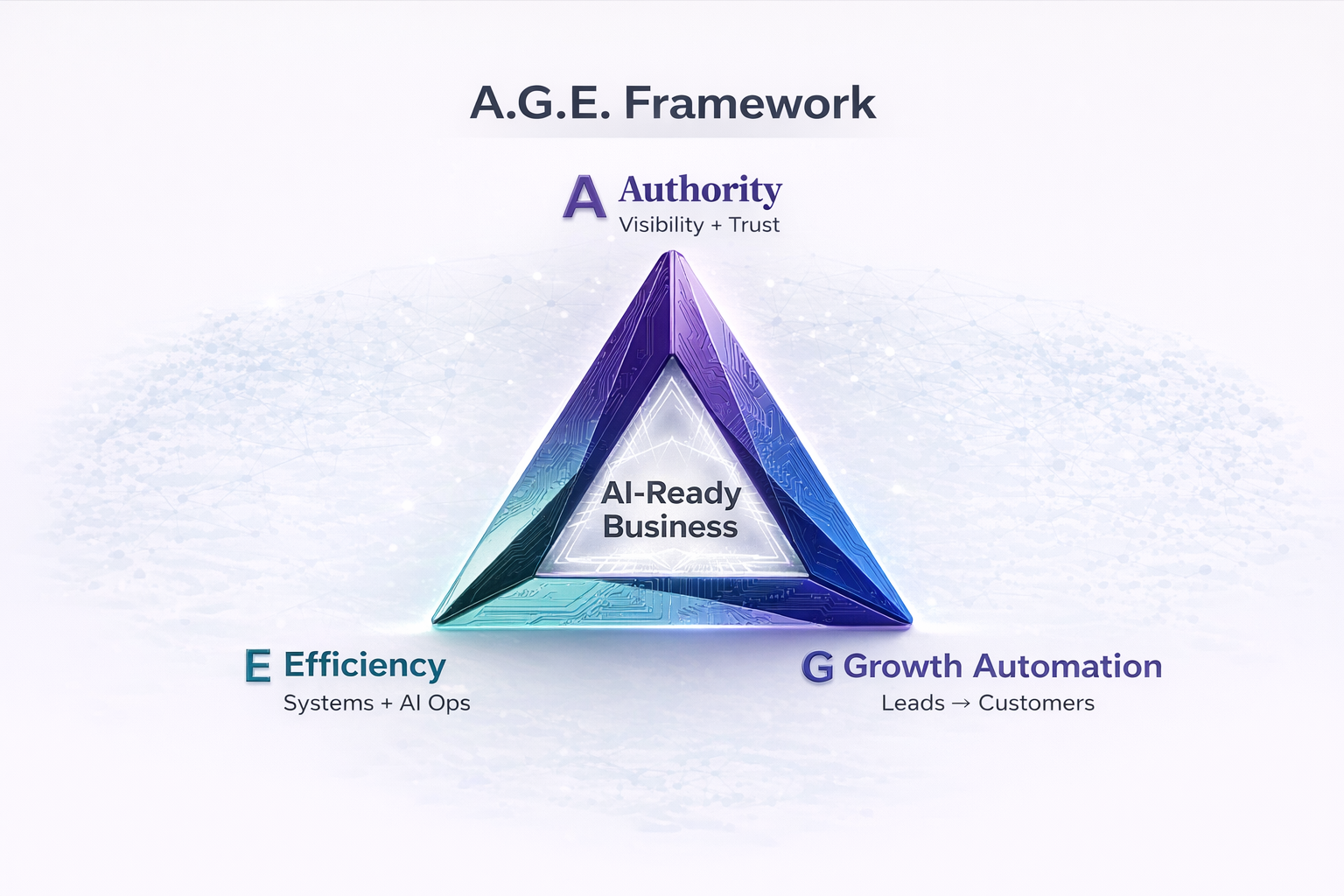
AI strategy consulting focuses on creating a comprehensive plan for integrating AI into business processes. This involves analyzing current operations, identifying areas for improvement, and developing a roadmap for AI implementation. The role of AI strategy consulting is pivotal in driving business growth, as it helps organizations to align their AI initiatives with overall business objectives. Key components of an effective AI strategy include understanding market trends, assessing technological capabilities, and fostering a culture of innovation. Gartner predicts that by 2025, AI will be a top five investment priority for more than 30% of CIOs worldwide. Moreover, IDC forecasts that global spending on AI systems will reach $97.9 billion in 2023, reflecting the increasing commitment to AI-driven growth. By leveraging AI strategically, businesses can enhance their operational efficiency and create new revenue streams. For a structured approach to AI strategy, explore the AGE Framework developed by Sean Hyde.
Key Benefits of AI Implementation for Small and Medium Businesses
AI implementation offers numerous advantages, particularly for small and medium businesses (SMBs). Here are some key benefits:
Data-Driven Decision Making: AI enables businesses to analyze vast amounts of data quickly, leading to more informed decisions. A Deloitte survey found that 82% of early AI adopters reported a positive return on investment.
Operational Efficiency: Automation of routine tasks reduces operational costs and frees up resources for more strategic initiatives. According to McKinsey, AI-driven automation can increase productivity by up to 40% in certain sectors.
Cost Reduction: AI solutions can lower costs by optimizing processes and reducing the need for manual intervention. For example, AI-powered chatbots can reduce customer service costs by up to 30%, as reported by IBM.
These benefits highlight the transformative potential of AI for SMBs, allowing them to compete more effectively in their respective markets.
BenefitDescriptionImpact LevelData-Driven Decision MakingAI analyzes data to provide actionable insightsHighOperational EfficiencyAutomates tasks to streamline operationsMediumCost ReductionReduces operational costs through optimizationHigh
How to Develop an Effective AI Strategy for Your Business?
Developing an effective AI strategy requires a structured approach. Here are the essential steps:
Assess Current AI Maturity: Evaluate your organization's existing capabilities and readiness for AI adoption. According to a PwC report, only 4% of companies have fully implemented AI across their business, underscoring the importance of this step.
Choose Strategic AI Tools: Identify the AI technologies that align with your business goals and operational needs. Forrester Research highlights that companies using AI tools aligned with their strategy are 2.3 times more likely to achieve business goals.
Integrate AI into Marketing Strategies: Leverage AI to enhance customer engagement and optimize marketing efforts. Salesforce reports that 84% of marketers say AI helps them deliver better customer experiences. For expert assistance in AI marketing, visit Sean Hyde’s AI marketing consulting.
By following these steps, businesses can create a robust AI strategy that drives growth and innovation.
Steps to Create a Tailored AI Strategy Consulting Plan
Creating a tailored AI strategy consulting plan involves several critical steps:
Assess Current Capabilities: Understand your organization's strengths and weaknesses in relation to AI.
Develop a Prioritized Roadmap: Outline the key initiatives and timelines for AI implementation.
Engage AI Consultants: Collaborate with experts to refine your strategy and ensure successful execution. To connect with a leading AI consultant, visit Sean Hyde’s contact page.
This structured approach ensures that businesses can effectively navigate the complexities of AI adoption.
Overcoming Common AI Adoption Challenges in Enterprises

Despite the potential benefits, many enterprises face challenges when adopting AI technologies. Common obstacles include:
Assessing AI Maturity: Organizations often struggle to evaluate their readiness for AI integration. A survey by MIT Sloan found that 63% of companies cite lack of AI expertise as a major barrier.
Choosing Strategic Tools: Selecting the right AI tools can be overwhelming due to the vast array of options available. IDC reports that 40% of AI projects fail due to poor tool selection and integration.
Fostering an AI-Ready Culture: Building a culture that embraces AI is essential for successful implementation. As Andrew Ng, AI pioneer, notes, "AI is the new electricity," emphasizing the need for organizations to adapt culturally to harness its power.
Addressing these challenges requires a comprehensive understanding of the AI landscape and a commitment to fostering innovation within the organization. For insights into overcoming these challenges, review case studies showcasing successful AI adoption.
What Are the Core AI Technologies Used in Business AI Solutions?
Core AI technologies play a crucial role in the development of business AI solutions. These include:
Machine Learning: Enables systems to learn from data and improve over time without explicit programming. According to Gartner, machine learning accounts for over 60% of AI investments.
Natural Language Processing (NLP): Allows machines to understand and interpret human language, facilitating better communication. NLP applications are expected to grow at a CAGR of 20.3% through 2027, per MarketsandMarkets.
Computer Vision: Empowers machines to interpret and make decisions based on visual data. The computer vision market is projected to reach $25.5 billion by 2027.
Understanding these technologies is essential for business leaders looking to implement effective AI solutions.
Machine Learning Implementation Services Explained
Machine learning implementation services focus on integrating machine learning algorithms into business processes. These services typically include:
Data Preparation: Cleaning and organizing data for analysis.
Model Development: Creating machine learning models tailored to specific business needs.
Deployment and Monitoring: Implementing models in production and continuously monitoring their performance.
By leveraging machine learning, businesses can gain valuable insights and enhance their decision-making processes. According to IBM, businesses that use AI and machine learning report a 20% increase in customer satisfaction and a 15% boost in operational efficiency.
Integrating Automation and AI Tools for Digital Transformation
Integrating automation and AI tools is vital for achieving digital transformation. The process involves:
Identifying Automation Opportunities: Assessing which tasks can be automated to improve efficiency.
Implementing AI Solutions: Deploying AI tools that complement existing systems and enhance functionality.
Monitoring and Optimization: Continuously evaluating the performance of AI tools to ensure optimal results.
This integration not only streamlines operations but also positions businesses for future growth. Deloitte reports that 61% of businesses that have adopted AI-driven automation have seen revenue growth, with an average increase of 10-15% in profitability.
How Does AI Drive Digital Marketing and Business Growth?
AI significantly impacts digital marketing by enabling businesses to personalize customer experiences and optimize marketing strategies. Key ways AI drives growth include:
Enhanced Customer Insights: AI analyzes customer data to identify trends and preferences.
Targeted Marketing Campaigns: AI enables businesses to create personalized marketing messages that resonate with specific audiences.
Performance Optimization: AI tools can analyze campaign performance in real-time, allowing for quick adjustments.
These capabilities empower businesses to engage customers more effectively and drive revenue growth. A study by Salesforce found that 84% of marketers reported AI helped them deliver better customer experiences, and companies using AI in marketing saw a 30% increase in conversion rates on average.
Leveraging AI-Driven Marketing Strategies for Enhanced ROI
To maximize return on investment (ROI) through AI-driven marketing strategies, businesses should focus on:
Automating Marketing Processes: Streamlining repetitive tasks to improve efficiency.
Personalizing Customer Interactions: Using AI to tailor communications based on customer behavior.
Scaling Marketing Efforts: Leveraging AI tools to expand marketing reach without proportional increases in cost.
By implementing these strategies, businesses can achieve significant improvements in marketing effectiveness and ROI. According to a report by McKinsey, companies that adopt AI-driven marketing strategies can increase marketing ROI by up to 20%.
Case Studies: Successful AI Integration in Marketing Campaigns
Examining successful case studies of AI integration in marketing campaigns provides valuable insights. Notable examples include:
Retail Brands: Many retailers have used AI to personalize shopping experiences, resulting in increased customer loyalty and sales. For instance, Amazon’s recommendation engine reportedly drives 35% of its revenue.
Financial Services: AI-driven analytics have enabled financial institutions to enhance customer service and reduce fraud. JPMorgan Chase uses AI to analyze legal documents, saving over 360,000 hours of work annually.
Travel Industry: AI tools have optimized pricing strategies, leading to improved revenue management. Airlines using AI-based dynamic pricing have seen revenue increases of up to 5%.
These case studies illustrate the diverse applications of AI in marketing and the tangible benefits it can deliver. For more detailed examples, visit Sean Hyde’s case studies.
What Should You Expect from AI Consulting and Implementation Services?
When engaging AI consulting and implementation services, businesses can expect:
Assessment and Strategy Development: A thorough evaluation of current capabilities and the development of a tailored AI strategy.
Implementation Support: Guidance throughout the implementation process to ensure successful integration.
Customized Solutions: Solutions tailored to meet the specific needs of the organization.
These services are designed to facilitate a smooth transition to AI-driven operations. According to a report by Accenture, companies that partner with AI consultants are 3 times more likely to achieve successful AI adoption. To learn more or initiate a consultation, visit Sean Hyde’s contact page.
Typical Service Offerings and Pricing Models for AI Consultants
AI consultants typically offer a range of services, including:
Strategy Development: Crafting a comprehensive AI strategy aligned with business goals.
Implementation Services: Assisting with the deployment of AI technologies.
Training and Support: Providing training for staff to ensure effective use of AI tools.
Pricing models for AI consulting services can vary, often based on the scope of the project and the level of expertise required. According to a 2023 survey by Statista, the average hourly rate for AI consulting ranges from $150 to $300, with enterprise-level projects potentially costing upwards of $500 per hour.
Measuring AI Project Success and ROI for Business Leaders
Measuring the success of AI projects is essential for business leaders. Key performance indicators (KPIs) to consider include:
Return on Investment (ROI): Evaluating the financial benefits gained from AI implementation.
Operational Efficiency: Assessing improvements in productivity and cost savings.
Customer Satisfaction: Monitoring changes in customer feedback and engagement levels.
By focusing on these metrics, businesses can gauge the effectiveness of their AI initiatives. Harvard Business Review notes that companies that measure AI impact systematically are 2.5 times more likely to achieve significant business value. Additionally, MIT Sloan reports that organizations with clear AI KPIs see a 30% higher success rate in AI projects.
How Can Event Speaking and Thought Leadership Enhance AI Adoption?
Event speaking and thought leadership play a significant role in promoting AI adoption. Key benefits include:
Raising Awareness: Speaking engagements help educate audiences about the potential of AI technologies.
Building Credibility: Establishing thought leadership positions organizations as experts in the field.
Networking Opportunities: Events provide platforms for connecting with other industry leaders and potential collaborators.
These activities can significantly enhance an organization's reputation and facilitate AI adoption. As noted by AI expert Fei-Fei Li, "Education and awareness are key to unlocking AI’s potential." Furthermore, a LinkedIn survey found that 70% of business leaders consider thought leadership content influential in their technology adoption decisions. For information on upcoming speaking engagements and events, visit Sean Hyde’s speaking events page.
The Role of AI Experts in Educating Business Owners and Marketing Managers
AI experts play a crucial role in educating business owners and marketing managers about the benefits and applications of AI. Their responsibilities include:
Assessment of AI Readiness: Evaluating an organization's preparedness for AI integration.
Training and Mentorship: Providing guidance on best practices for AI adoption.
Sharing Industry Insights: Keeping stakeholders informed about the latest trends and developments in AI.
By leveraging the expertise of AI professionals, businesses can navigate the complexities of AI adoption more effectively. According to Gartner, organizations that invest in AI education and training are 1.8 times more likely to achieve AI project success.
Upcoming AI Events and Presentations for Industry Insights
Staying informed about upcoming AI events is essential for business leaders. Notable events include:
AI Conferences: Gatherings that showcase the latest advancements in AI technology and applications, such as the annual AI Summit and NeurIPS conference.
Workshops: Hands-on sessions that provide practical training on AI tools and strategies.
Webinars: Online presentations that cover various AI topics and trends.
Participating in these events can provide valuable insights and foster connections within the AI community.
Enhance Your AI Knowledge and Implementation
To further enhance your understanding of AI and its applications, consider exploring resources like AEO Consulting, which offers comprehensive AI consulting services tailored to business needs.
For business leaders seeking to deepen their knowledge and skills in AI, engaging with industry experts and thought leaders is invaluable. AEO Consulting provides access to seasoned professionals who can guide you through the complexities of AI adoption and implementation.
Moreover, understanding the nuances of AI implementation requires a strategic approach. AI consulting services can help businesses develop tailored strategies that align with their specific goals and objectives.
In addition to strategic guidance, businesses can benefit from the expertise of individual consultants. Consider connecting with Sean Hyde, an AI consultant, to gain personalized insights and support for your AI initiatives.
Expanding the Scope of AI Consulting: Emerging Trends and Future Directions
As AI technologies continue to evolve, AI consulting is expanding beyond traditional implementation to encompass emerging trends such as explainable AI, ethical AI practices, and AI governance. Business leaders must stay informed about these developments to ensure responsible and sustainable AI adoption.
Explainable AI (XAI) is gaining traction as organizations seek transparency in AI decision-making processes. Consultants now help businesses implement AI models that provide clear explanations for their outputs, fostering trust among stakeholders and customers.
Ethical AI Practices are becoming a priority, with consultants advising on frameworks to mitigate bias, ensure fairness, and comply with regulatory standards. This proactive approach helps businesses avoid reputational risks and legal challenges.
AI Governance involves establishing policies and oversight mechanisms to manage AI lifecycle, data privacy, and security. Effective governance ensures that AI initiatives align with organizational values and legal requirements.
By integrating these advanced considerations into AI strategies, business leaders can position their organizations for long-term success and resilience in an AI-driven market.
Leveraging AI for Competitive Intelligence and Market Analysis
Another growing area within AI consulting is the use of AI for competitive intelligence and market analysis. AI-powered tools can process vast amounts of market data, social media trends, and competitor activities to provide actionable insights.
Business leaders can leverage these insights to anticipate market shifts, identify emerging opportunities, and make proactive strategic decisions. AI-driven sentiment analysis, predictive analytics, and real-time monitoring are key capabilities that consultants help integrate into business intelligence frameworks.
Incorporating AI into competitive intelligence not only enhances decision-making but also accelerates innovation cycles, enabling businesses to stay ahead in dynamic markets.
Custom AI Solutions: Tailoring Technology to Unique Business Needs
While off-the-shelf AI tools offer significant benefits, many organizations require custom AI solutions to address unique challenges and workflows. AI consultants play a critical role in designing and developing bespoke AI applications that align precisely with business objectives.
Custom solutions may include specialized machine learning models, integration with legacy systems, or development of proprietary algorithms. This tailored approach ensures maximum relevance and impact, often resulting in higher ROI and competitive differentiation.
Engaging with AI consultants who have expertise in custom AI development can help businesses unlock new capabilities and transform complex processes.
Building Cross-Functional AI Teams for Sustainable Success
Successful AI adoption extends beyond technology to include organizational change management. AI consulting services increasingly emphasize the importance of building cross-functional teams that combine technical expertise with domain knowledge.
These teams typically include data scientists, AI engineers, business analysts, and subject matter experts collaborating to design, implement, and refine AI solutions. Consultants assist in establishing governance structures, communication channels, and training programs to foster collaboration and continuous learning.
By nurturing a culture of AI literacy and teamwork, organizations can sustain AI initiatives and adapt to evolving technological landscapes.