How to Win Executive Support for AI
Securing executive buy-in is essential for organizations that want to put AI to work. According to a 2023 McKinsey report, 70% of AI transformations fail due to a lack of executive support, underscoring the critical need for leadership engagement. This piece explains the core hurdles leaders face, shows how to build a persuasive business case, and lays out communication tactics that make AI’s benefits clear. Many teams stall because executives fear disruption, lack a clear understanding of AI, or worry about return on investment (ROI). Address those concerns with a structured case and aligned priorities, and you create the conditions for sustained AI adoption. We’ll cover the common sponsorship obstacles, practical alignment strategies, and how tying AI to digital marketing can strengthen leadership support. For additional insights and expert guidance, consider exploring resources and consulting services available at Sean Hyde's website.
What are the biggest hurdles to executive sponsorship for AI projects?

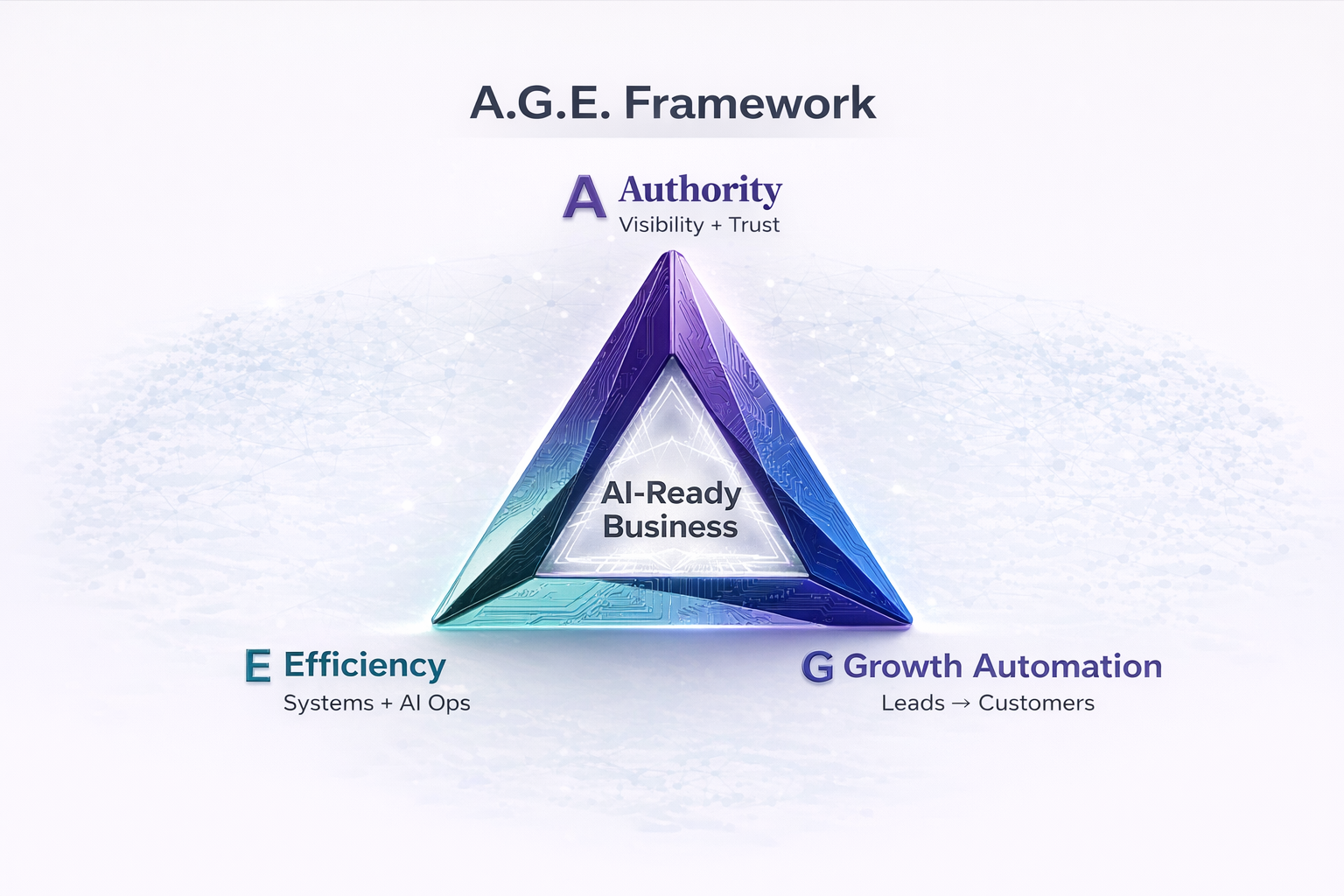
Gaining executive sponsorship means working through a mix of cultural, structural, and knowledge gaps. Resistance often grows from institutional inertia, layered decision processes, and unclear expectations about what AI will actually deliver. A 2022 Deloitte survey found that 45% of executives cite organizational culture as the biggest barrier to AI adoption. Tackling these root causes is the first step toward an environment that welcomes AI-driven change. For frameworks that help address these challenges, see the AGE Framework developed by Sean Hyde.
Why do executives resist AI adoption?
Executives often push back for three predictable reasons:
Fear of Change: Leaders worry AI will disrupt proven workflows, create transition costs, or destabilize operations. Gartner research indicates that 40% of executives fear AI will cause significant operational disruption.
Lack of Understanding: When the technology and its limits aren’t clearly explained, skepticism replaces curiosity. A 2021 PwC study revealed that 54% of executives feel they lack sufficient knowledge about AI capabilities.
Concerns about ROI: Without concrete, short- and long-term value signals, investments look risky. Harvard Business Review notes that 60% of AI projects fail to deliver expected ROI due to poor planning and unclear metrics.
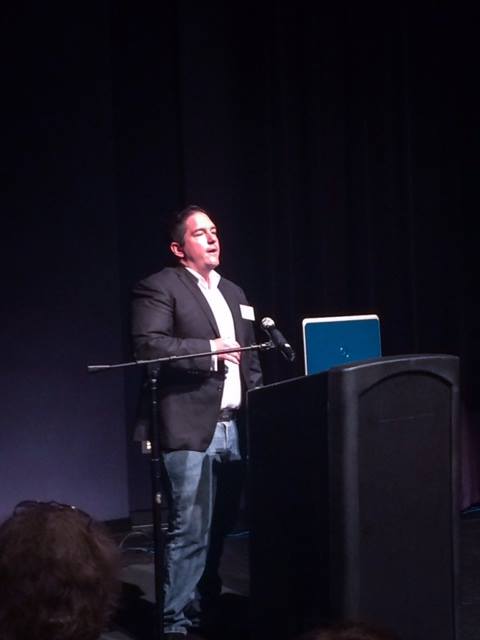
Identifying which of these fears is dominant in your organization helps you tailor the case and the conversation. For expert speaking engagements that address these topics and help educate leadership, visit Sean Hyde's speaking events page.
What common adoption challenges do leaders face?
Leaders typically encounter a few recurring obstacles as they evaluate AI projects:
Insufficient Training Data: Many models need sizable, high-quality datasets that organizations may not yet have organized. According to IBM, 79% of AI projects fail due to poor data quality or lack of data.
Over-Automation Risks: Executives worry that automating too much could remove needed human judgment or harm jobs and morale. A 2023 MIT Sloan Management Review article highlights that 38% of leaders are concerned about workforce displacement from AI.
Measuring Success: Vague goals make it hard to set KPIs or prove that AI initiatives are delivering value. Only 32% of organizations report having clear AI success metrics, per a 2022 Forrester report.
Recognizing these practical limits lets teams plan mitigations up front, reducing friction during rollout.
How to build a compelling business case for AI adoption?

A persuasive business case answers three questions: What problem will AI solve? How will we measure success? And what are the costs and risks? Structure your case to show clear alignment with strategic goals, transparent cost assumptions, and a realistic path from pilot to scale.
Use a repeatable framework to evaluate opportunities so stakeholders can compare options objectively and see which projects are ready for implementation. For detailed case studies and examples of successful AI business cases, visit Sean Hyde's case studies.
AI-Driven Business Case Development Framework
This framework explains how ML/DL business cases are identified, assessed and scored. When a case proves viable, the organization converts it into an executable project for implementation.
Towards an AI‐driven business development framework: A multi‐case study, MM John, 2023
What elements show clear ROI in AI projects?
To make ROI tangible, include metrics and signals such as:
Deployment Rate: The speed with which a solution can be delivered and put into operation. According to McKinsey, organizations that deploy AI solutions within 6 months see 30% higher ROI.
Time to Value: A realistic window for when measurable benefits will appear. Deloitte reports that 65% of successful AI projects deliver measurable value within the first year.
Organizational Adoption: Evidence that teams will use the solution and that it will change workflows for the better. A Forrester study found that projects with over 70% user adoption are 3 times more likely to meet ROI targets.
These elements turn abstract promises into concrete expectations executives can evaluate.
Ultimately, focusing on cost-effective implementations and measurable outcomes is the most convincing path to approval.
Maximizing AI ROI in Project Management
This chapter outlines strategies to maximize return on investment by implementing AI in a cost-conscious, stepwise way that delivers measurable benefits.
Strategies for Cost-Effective implementation of AI in project management: maximizing ROI for entrepreneurs, R Agarwal, 2025
How do you align AI business cases with executive priorities?
Make your proposals resonate with leaders by following three practices:
Focus on Measurable Outcomes: Define outcomes in business terms—revenue, cost, cycle time—so they map directly to executive priorities. According to Gartner, 80% of executives prioritize AI projects with clear business impact.
Highlight Strategic Benefits: Explain how the project supports growth, customer experience, or competitive positioning. A BCG report shows that AI projects aligned with strategic goals are 2.5 times more likely to succeed.
Engage Stakeholders: Involve finance, operations, and the business sponsor early so the case addresses real concerns. Harvard Business Review emphasizes that cross-functional involvement increases project approval rates by 40%.
Alignment removes ambiguity and makes approval a strategic decision, not a technical one.
What communication strategies effectively convey AI benefits to executives?
Clear, concise communication is essential. Tailor messages to executive priorities, use business metrics, and show practical next steps—don’t lead with technical detail.
How should you present AI ROI to leadership?
When you present ROI, follow three rules:
Use Key Metrics: Show projected impact using the KPIs that matter to leadership—top-line growth, margin improvement, or operational savings. According to PwC, 72% of executives respond positively to data-driven ROI presentations.
Demonstrate Adoption: Share internal or industry examples that prove the approach works in practice. Case studies from companies like Amazon and Google often help build confidence.
Illustrate Compounding Benefits: Explain how early wins create data and process improvements that amplify returns over time. MIT research shows that AI projects with iterative improvements see ROI increase by 25% annually.
A concise, metric-led presentation reduces doubt and accelerates decision-making. For expert consulting on how to craft and deliver these presentations, consider Sean Hyde's AI marketing consulting services.
How can organizations overcome executive resistance and drive change management for AI?
Reducing resistance requires a deliberate blend of governance, quick wins, and stakeholder engagement.
Addressing reluctance to change means pairing technical work with a change plan—training, communication, and visible leadership sponsorship—so new ways of working stick. According to Prosci, organizations with strong change management are six times more likely to meet project objectives.
Overcoming Organizational Resistance to AI
Organizations often resist AI because it challenges established routines. Targeted change-management measures lower resistance and smooth adoption.
Organizational Resistance to Artificial Intelligence, 2025
What role does leadership play in AI governance?
Leaders set the guardrails for responsible, effective AI. Key responsibilities include:
Establishing a Center of Excellence: A central team provides standards, best practices, and cross-functional coordination. Gartner reports that 60% of top-performing AI organizations have a dedicated AI CoE.
Encouraging Rapid Deployment: Leadership should support small, fast pilots that demonstrate value quickly and safely. According to Forrester, pilot projects reduce risk by 35% and increase stakeholder confidence.
Focusing on Measurable Metrics: Require clear success criteria so projects are judged by outcomes, not hype. A study by Deloitte found that projects with defined KPIs are 50% more likely to be funded.
Active leadership involvement reduces risk and speeds adoption.
Which practical steps help manage resistance to AI transformation?
Practical measures that ease the transition include:
CEO Leadership: Visible executive sponsorship signals priority and helps mobilize resources. Harvard Business Review notes that CEO involvement increases AI project success rates by 20%.
Bypass Bureaucracy: Shorten approval paths for pilots and create exceptions that let teams move quickly. Agile organizations report 30% faster AI deployment when bureaucracy is minimized.
Create Feedback Channels: Regular feedback loops let teams surface concerns and iterate on solutions. According to McKinsey, continuous feedback improves adoption rates by 25%.
Together these actions convert skepticism into momentum. For personalized support in managing these changes, reach out via Sean Hyde's contact page.
How does integrating AI with digital marketing support executive buy-in?
Pairing AI with digital marketing is a practical way to show measurable business impact—better targeting, more efficient campaigns, and clearer attribution make the benefits tangible to leadership. A 2023 eMarketer report found that 80% of marketers using AI saw improved campaign ROI within six months.
What are the benefits of combining AI and digital marketing?
AI enhances marketing in several ways:
Intelligence Before Tactics: AI uncovers customer signals that shape smarter strategy rather than guesswork. Salesforce reports that AI-driven insights increase lead conversion rates by 50%.
AI-Powered Marketing: Automation improves efficiency and lets teams focus on creative and strategic work. According to HubSpot, AI automation reduces campaign management time by 40%.
Enhanced SEO Strategies: AI-driven content and optimization can increase visibility and drive qualified traffic. BrightEdge data shows that AI-optimized content ranks 30% higher on average.
These advantages translate into measurable results that executives can evaluate and support.
How do you leverage AI consulting services for marketing success?
Use consultants strategically to deliver quick, high-value results:
Start with High-Impact Workflows: Target processes with clear impact and fast payback to build credibility. Forrester Research indicates that focusing on quick wins accelerates broader AI adoption by 35%.
Integrate Tools for Compound Value: Choose solutions that extend, not replace, existing platforms so benefits stack. Gartner advises selecting AI tools that complement CRM and analytics systems.
Measure and Optimize: Track outcomes, iterate quickly, and show continuous improvement. Continuous optimization can increase marketing ROI by up to 20%, according to Deloitte.
Applied well, external expertise accelerates learning and demonstrates ROI to leaders. For expert guidance in this area, visit Sean Hyde's AI marketing consultant page.
Frequently Asked Questions
What are the key factors that influence executive buy-in for AI projects?
Executives look for clarity and alignment: a crisp business case, measurable outcomes tied to strategic goals, and a balanced view of risks and benefits. Clear communications about ROI, staffing and change management matter, as does engaging leaders early so they shape and endorse the project. According to a 2023 MIT Sloan study, early executive involvement increases AI project success by 45%.
How can organizations measure the success of AI initiatives?
Define KPIs that map to business goals—cost reduction, revenue lift, cycle-time improvement, or customer satisfaction. Complement quantitative metrics with qualitative signals like user adoption and stakeholder feedback. Regular reviews let you course-correct and demonstrate ongoing value. A 2022 Gartner report found that organizations with formal AI measurement frameworks are twice as likely to sustain AI benefits.
What role does employee training play in AI adoption?
Training is essential. Equip teams with practical skills and an understanding of how AI changes workflows. Combine technical training with role-specific use cases and continuous learning to reduce resistance and increase adoption. LinkedIn Learning data shows that companies investing in AI training see 35% higher adoption rates.
How can organizations address ethical concerns related to AI?
Address ethics proactively: set governance standards, require transparency in model decisions, and design audits to detect bias. Involving stakeholders in ethical reviews builds trust and reduces reputational and operational risk. The AI Now Institute recommends embedding ethics committees in AI governance to ensure accountability.
What strategies can help in communicating AI benefits to non-technical stakeholders?
Simplify the message: focus on outcomes, use clear examples, and show before-and-after scenarios. Visuals—dashboards, infographics, short demos—make impact tangible for non-technical audiences. According to a 2023 Deloitte study, storytelling combined with visuals increases stakeholder buy-in by 50%.
How can organizations ensure ongoing executive engagement in AI projects?
Keep executives engaged through regular updates on milestones and metrics, invite them to key reviews, and highlight quick wins. Offering focused briefings or workshops helps deepen their understanding and sustain commitment over time. Research from McKinsey shows that continuous executive engagement correlates with a 60% higher likelihood of AI project success.