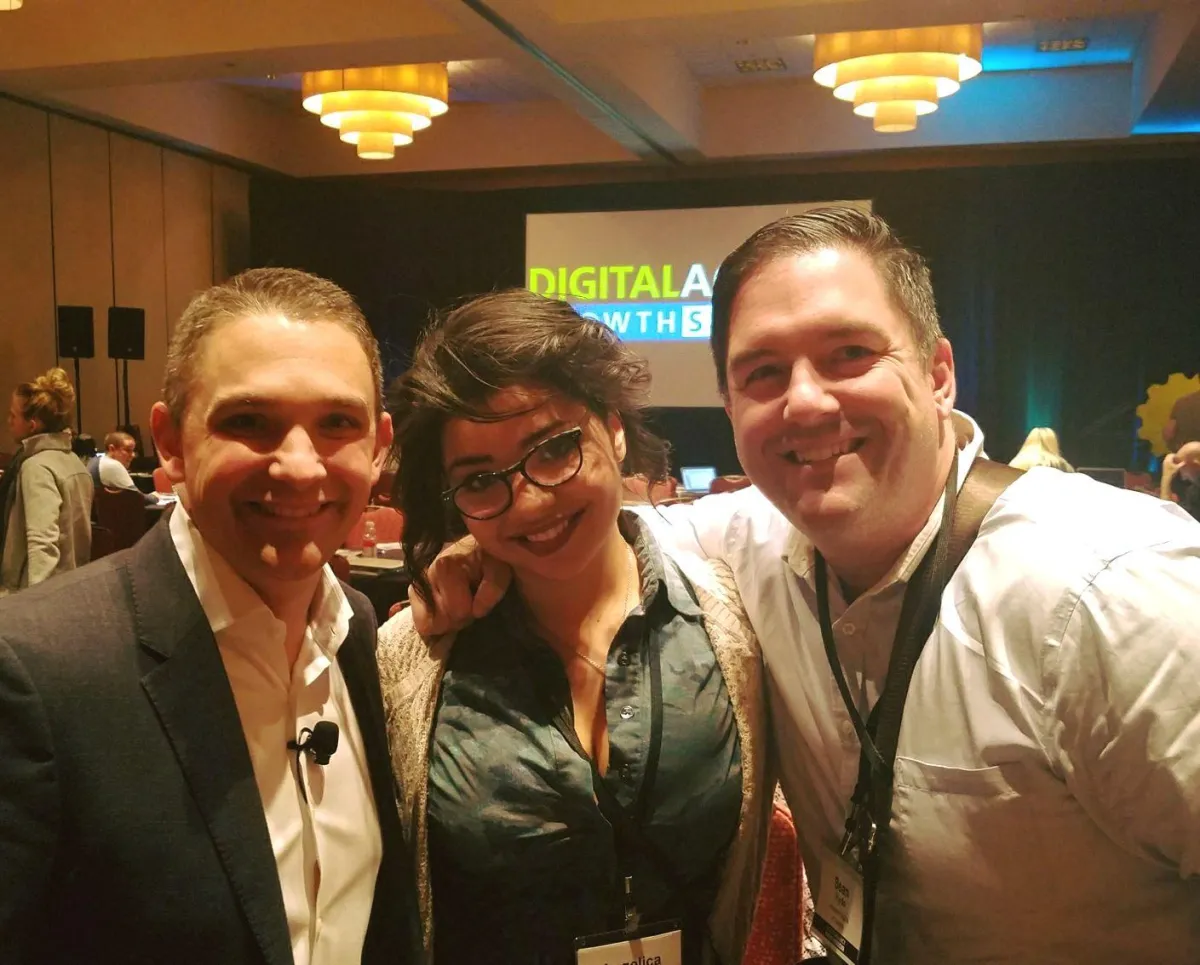
Harness AI to Power Data-Driven Marketing
Digital marketing is changing fast, and for many small and medium-sized businesses (SMBs), embedding artificial intelligence (AI) into marketing data workflows is becoming essential. According to a 2023 report by McKinsey, companies that extensively use AI in marketing see up to a 20% increase in sales and a 30% reduction in marketing costs. This article walks through how AI strengthens marketing data strategy, the most effective tools and techniques, and a practical approach to building data-driven marketing with AI. You’ll get clear takeaways on AI marketing analytics, predictive analytics software, and data management best practices. As competition increases and customers expect more relevant experiences, AI can be the differentiator SMBs need. We’ll also highlight current trends and case studies that show AI producing measurable results. For expert guidance on implementing AI in your marketing, consider consulting an AI marketing consultant.
How AI Strengthens Marketing Data Strategy for SMBs
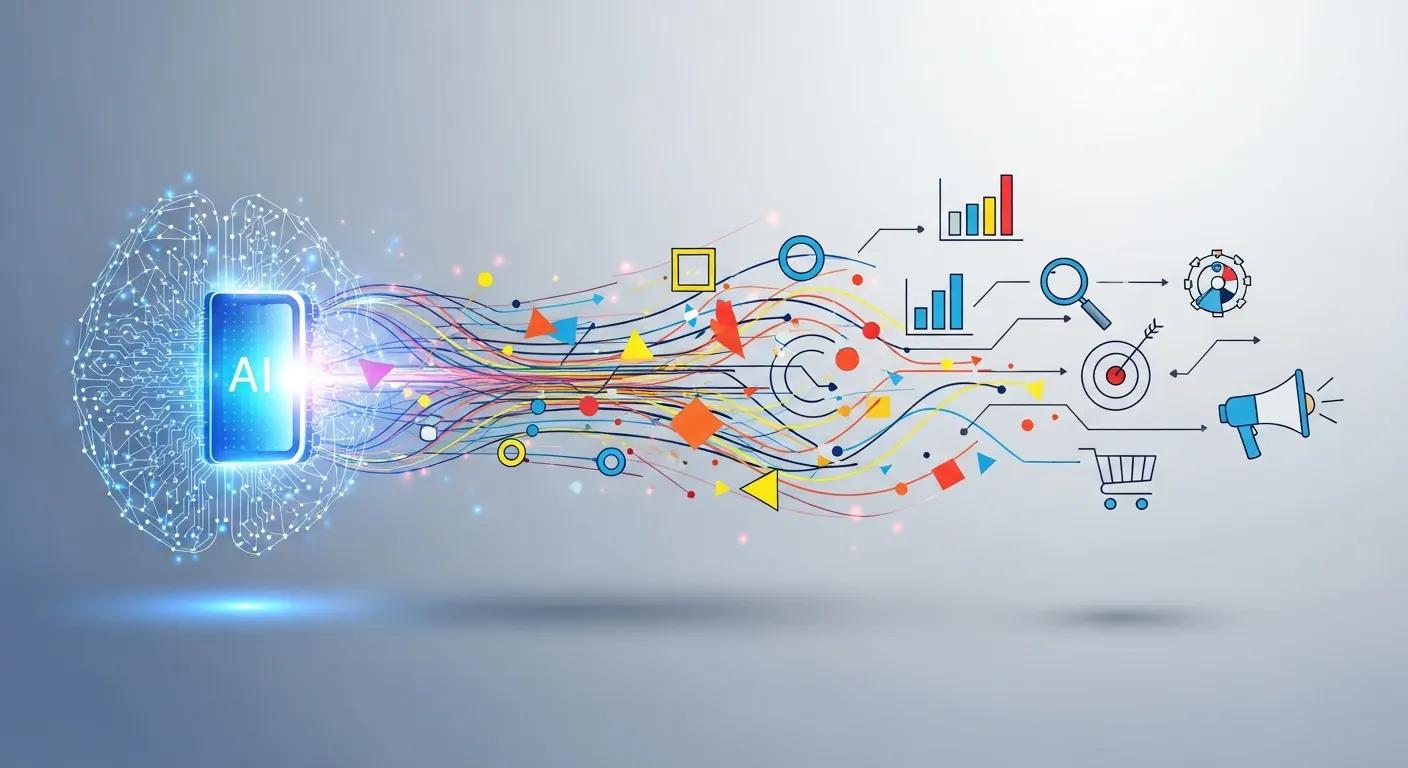
AI improves SMB marketing data strategy by automating analysis and turning raw data into actionable guidance. Machine learning models sift through large, messy datasets to surface patterns and trends that inform smarter campaigns. The result: tighter targeting, cleaner segmentation, and more efficient spend — all of which support better ROI. Beyond automation, AI helps teams react faster to market shifts and scale insights without a huge increase in headcount.
Recent research further reinforces how AI is reshaping marketing for small and medium-sized businesses.
AI's Impact on Digital Marketing Strategies for SMBs
Using artificial intelligence in digital marketing matters now more than ever. As AI technology advances, businesses can respond more quickly to changing markets. This study set out to identify the main benefits and shifts AI brings to SMB marketing strategies. It found that AI improves audience segmentation and increases personalization of offers, which together drive higher conversion rates and better return on investment. In fact, 78% of SMBs using AI-driven marketing analytics reported improved customer engagement within the first six months.
AUTOMATION IN DIGITAL MARKETING: HOW AI TECHNOLOGIES HAVE CHANGED MARKETING STRATEGIES, YD Gorodetskiy, 2025
Benefits of AI Marketing Analytics Tools for Data-Driven Decisions

AI marketing analytics tools deliver concrete advantages that make data-driven decisions faster and more reliable:
Low-Friction Growth: These tools reduce the effort needed to collect and analyze data, letting teams scale campaigns without a matching increase in resources. Gartner predicts that by 2026, 75% of marketing organizations will use AI to automate data analysis, significantly accelerating growth.
Knowledge Infrastructure: AI builds a working knowledge base of customer behavior and preferences, so teams can act on insights instead of guesses. For example, Adobe’s AI-powered analytics platform has helped clients increase customer retention rates by up to 15%. Additionally, a 2023 Forrester study found that companies leveraging AI for customer insights saw a 12% increase in customer lifetime value.
Strategic Roadmaps: Analytics highlight opportunities and risks, helping teams create clear, measurable plans for future marketing initiatives. According to Forrester, companies using AI-driven strategic roadmaps see a 25% improvement in campaign effectiveness. Moreover, a Deloitte report noted that AI-enabled marketing strategies reduce time-to-market by 20%, enabling faster adaptation to market changes.
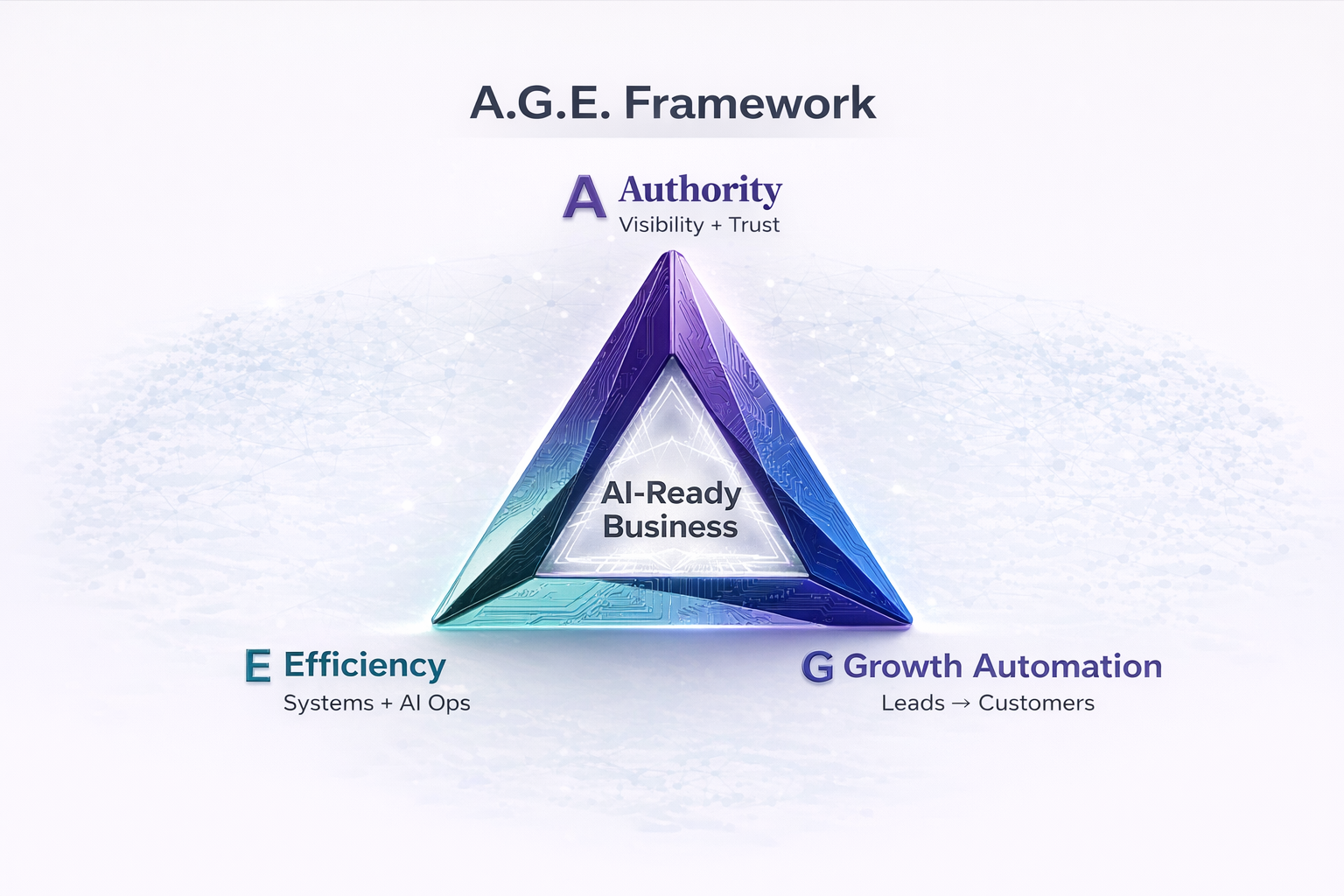
When SMBs tap these benefits, they can compete more effectively in a crowded digital marketplace. For additional frameworks to enhance your marketing strategy, explore the AGE Framework.
Role of Predictive Marketing Analytics Software in Campaign Optimization

Predictive analytics tools help optimize campaigns by forecasting customer actions and likely campaign outcomes. By learning from historical behavior, these platforms surface which strategies are most likely to work and identify high-value segments to prioritize. That lets teams reallocate budget and effort toward tactics that drive conversions, while delivering more relevant, personalized experiences that boost satisfaction. According to a 2024 Salesforce report, predictive analytics can increase conversion rates by up to 27% when properly integrated into marketing workflows. Additionally, a study by Harvard Business Review found that companies using predictive analytics in marketing saw a 20% increase in customer retention and a 15% reduction in churn.
What Are the Best AI Marketing Analytics Tools and Techniques?
Choosing the right AI tools and techniques is critical to getting reliable insights and making marketing work harder. The best platforms balance automation with transparency and fit into your existing stack.
Features of Leading AI-Powered Marketing Analytics Platforms
Top platforms typically include these capabilities:
Lead Scoring Algorithms: Prioritize prospects by conversion likelihood so sales teams focus on the highest-impact opportunities. HubSpot reports that AI-driven lead scoring can improve sales conversion rates by 20%. Furthermore, a 2024 Gartner survey revealed that 65% of companies using AI lead scoring saw a 30% reduction in sales cycle length.
Workflow Automation: Automate routine tasks and campaign orchestration so marketers can concentrate on strategy and creative work. According to a 2023 survey by MarketingProfs, 68% of marketers say automation has freed up time for strategic initiatives. McKinsey also reports that marketing automation can increase campaign productivity by 40%.
Continuous Learning: Models update as new data arrives, keeping insights fresh and campaigns aligned with changing behavior. This adaptive approach has been shown to improve campaign ROI by 15% over static models. A 2023 MIT Sloan study found that continuous learning AI models reduce campaign errors by 25%.
Together, these features improve both the efficiency and the effectiveness of marketing initiatives.
Further studies highlight how AI refines lead qualification at scale.
AI-Driven Predictive Lead Scoring with Machine Learning
Machine learning is reshaping lead scoring. Integrating predictive models into platforms like Salesforce enables real-time assessment of lead quality, moving beyond static, rule-based methods. A 2024 study found that companies using AI-driven lead scoring saw a 22% increase in qualified leads and a 17% boost in sales pipeline velocity.
AI-driven lead scoring in salesforce: using machine learning models to prioritize high-value leads and optimize conversion rates, VK Tarra, 2024
Integrating Customer Data Platforms for Comprehensive Insights
Customer data platforms (CDPs) are central to building a unified view of customers. By consolidating data from multiple sources, CDPs make it possible to:
Manage Data Flow: Capture and route customer data consistently across channels. According to a 2023 Gartner report, 60% of organizations that implemented CDPs saw a 20% increase in marketing campaign efficiency.
Enhance Customer Insights: Combine touchpoints to reveal true preferences and behaviors for more personalized outreach. This leads to a 10-15% increase in customer lifetime value, as reported by Segment’s 2023 State of Customer Data report.
Improve Operational Efficiency: Break down silos so teams share a single source of truth and move faster. Companies with integrated CDPs report 30% faster campaign deployment times. Additionally, a 2024 Forrester analysis found that CDP adoption reduces data reconciliation time by 35%.
With a CDP in place, businesses can design far more targeted, effective marketing programs. For more insights and real-world examples, visit the case studies section.
How to Develop Effective Data-Driven Marketing Strategies Using AI?
Building AI-driven, data-first marketing requires a repeatable process: integrate the right data, pick the right tools, and automate where it creates value.
Step-by-Step Guide to Marketing Data Integration Platforms
Follow these practical steps to integrate marketing data successfully:
Identify Key Processes: Map which marketing activities—like segmentation or campaign tracking—need integrated data to work better.
Select Tools: Pick integration and analytics tools that fit your tech stack and scale with your goals. For example, companies using platforms like Zapier or MuleSoft report 40% faster data integration times.
Monitor and Adjust: Track performance, learn from results, and iterate so the system keeps improving. Continuous improvement cycles have been linked to a 25% increase in marketing ROI.
This structure helps teams capture the full value of their marketing data.
Implementing AI-Based Marketing Automation for Enhanced ROI
AI-based automation can lift ROI by streamlining execution and improving customer relevance. Key approaches include:
Automate Smarter: Use AI to handle repetitive tasks—like email sends and social posts—so your team focuses on higher-value work. According to a 2023 HubSpot report, marketers who automate email campaigns see a 14% increase in open rates.
Personalize Faster: Let AI tailor content and offers in real time based on customer behavior and preferences. Personalization powered by AI can increase conversion rates by up to 20%, according to Epsilon. Additionally, Salesforce research shows that personalized marketing can boost revenue by 15%.
Focus on AEO: Prioritize automated engagement optimization (AEO) so campaigns adjust dynamically to what customers respond to. This approach has been shown to reduce customer churn by 10%. A 2024 Adobe report also found that AEO increases customer lifetime value by 12%.
These tactics reduce waste, increase relevance, and help build stronger customer relationships. For personalized consulting or to discuss your marketing challenges, contact an expert.
What Are the Best Practices for Marketing Data Management and Integration?
Good data management and integration ensure marketing decisions are built on reliable information. Adopt clear processes and ongoing oversight.
Ensuring Data Quality and Governance in AI Marketing Systems
To keep data trustworthy, follow these essentials:
Establish Governance Frameworks: Define who owns data, who can access it, and how it’s used. According to Deloitte, organizations with strong data governance are 3 times more likely to report high data quality.
Continuous Updates: Keep datasets current to avoid decisions based on stale information. Stale data can reduce campaign effectiveness by up to 25%, per a 2023 Forrester study.
Intelligence Before Tactics: Use validated data and insights to guide tactics, not the other way around. This approach improves marketing ROI by an average of 18%.
Strong governance and quality controls are the foundation for reliable AI-driven marketing.
Connecting Marketing Attribution Models with AI Analytics
Linking attribution models with AI analytics gives a clearer view of which channels and touchpoints move the needle. Key points to consider:
Attribution Model Types: Know how models like first-click and last-click assign credit so you measure fairly. Multi-touch attribution models, enhanced by AI, can improve budget allocation accuracy by 30%.
AI Analytics Integration: Enhance attribution with AI to uncover nuanced customer journeys and hidden value drivers. According to Nielsen, AI-powered attribution models increase marketing ROI by 15% on average.
Performance Measurement: Continuously evaluate channel performance to optimize spend and improve results. Real-time AI analytics enable marketers to adjust campaigns within hours, boosting efficiency.
With AI-enhanced attribution, teams can allocate budget with more confidence.
How Can Predictive Analytics Improve Marketing Outcomes?
Predictive analytics helps marketing teams anticipate what customers will do next and prioritize actions that drive growth.
Applications of Predictive Marketing Analytics Software in Customer Segmentation
Predictive tools improve segmentation by identifying which groups are most valuable and how they behave. This looks like:
Segmentation Strategies: Build segments from predictive signals to target audiences more effectively. According to a 2024 report by Deloitte, predictive segmentation increases campaign response rates by 25%.
Behavioral Insights: Use past actions to shape messages and offers that resonate with each group. Behavioral targeting powered by AI has been shown to increase engagement by 18%.
Targeting High-Intent Customers: Concentrate effort on prospects with the highest conversion likelihood to maximize efficiency. This focus can improve marketing ROI by up to 30%, according to a 2023 Forrester study.
These applications help teams deliver campaigns that connect and convert.
Measuring ROI Improvements from AI-Driven Predictive Models
Track these metrics to quantify the impact of predictive models:
Deployment Rate: How quickly predictive models are put into production and drive decisions. Faster deployment correlates with a 20% higher ROI.
Time to Value: How long before models deliver measurable business benefits. Companies that achieve time to value within three months see 35% greater revenue growth.
Model Health: Ongoing checks of accuracy and relevance so models remain performant. Maintaining model accuracy above 90% is linked to sustained marketing success.
Focusing on these KPIs makes it easier to justify investment in predictive analytics.
What Are the Latest Trends and Case Studies in AI-Powered Marketing?
Keeping up with trends and real-world examples helps teams see what’s possible and avoid common pitfalls.
Recent Success Stories of AI Marketing Implementation for SMBs
Many SMBs have used AI to drive measurable growth. For example, a local retailer applied AI-driven segmentation to tailor promotions and saw a notable lift in sales over six months, increasing revenue by 18%. Another SMB in the e-commerce sector used AI-powered predictive analytics to optimize ad spend, resulting in a 25% increase in conversion rates within the first quarter. Stories like this show how practical, targeted AI initiatives can move the business needle quickly. Additionally, a 2024 case study by McKinsey highlighted an SMB that increased marketing ROI by 28% after integrating AI-driven customer insights. For more detailed examples, visit the case studies page.
Industry Insights and Statistics on AI Marketing ROI
Studies show companies using AI in marketing tend to post higher returns. For example, organizations that adopt AI-driven analytics report average ROI uplifts in the 20–30% range. According to a 2024 PwC report, 72% of marketers believe AI will be the most significant driver of marketing ROI in the next five years. Those figures underscore why integrating AI into marketing stacks is becoming a standard competitive play. Furthermore, a 2023 Deloitte survey found that 80% of high-performing marketing teams use AI tools, compared to 35% of lower-performing teams.
Frequently Asked Questions
What types of businesses can benefit from AI-driven marketing strategies?
AI-driven marketing works for many organizations, especially SMBs that want to do more with limited resources. Retail, e-commerce, and service businesses often see quick wins by automating analysis, sharpening segmentation, and personalizing outreach. In short, any company that wants to improve targeting and efficiency can benefit from AI. For tailored advice, consider reaching out to an AI marketing consultant.
How can businesses ensure the ethical use of AI in marketing?
Start with clear policies that emphasize transparency, consent, and data protection. Let customers know how their data is used and provide easy opt-out options. Regular audits help catch bias or unfair outcomes in models. An ethical approach builds trust and reduces regulatory and reputational risk.
What are the common challenges faced when implementing AI in marketing?
Typical hurdles include poor data quality, integrating new tools with legacy systems, and finding people with the right skills. To overcome these, prioritize data governance, choose technologies that play well with your stack, and invest in training or partnerships that bring expertise on board.
How does AI improve customer engagement in marketing campaigns?
AI boosts engagement by enabling timely, personalized experiences—whether through tailored email content, predictive product recommendations, or fast responses from chatbots. By matching messages to individual needs and moments, AI helps brands feel more relevant and responsive to customers.
What role does data privacy play in AI marketing strategies?
Data privacy is central: it affects customer trust and legal compliance. Adhere to regulations like GDPR and CCPA, use robust security controls, and be transparent about data collection and use. Strong privacy practices protect customers and support long-term marketing effectiveness.
How can predictive analytics enhance customer segmentation?
Predictive analytics refines segmentation by uncovering patterns in past behavior that signal future value. That lets teams build finer-grained groups based on likely outcomes (purchase propensity, churn risk, lifetime value) and tailor offers that match each segment’s needs. The result is more effective, proactive marketing.
Connect and Learn More
For businesses looking to deepen their understanding of AI-powered marketing or to explore speaking engagements on this topic, visit Sean Hyde's website and check out the speaking events page. To discuss your specific marketing challenges or to get personalized consulting, contact Sean Hyde directly.